
When to Aerate Your Lawn: A Season-by-Season Guide for USA & Canada
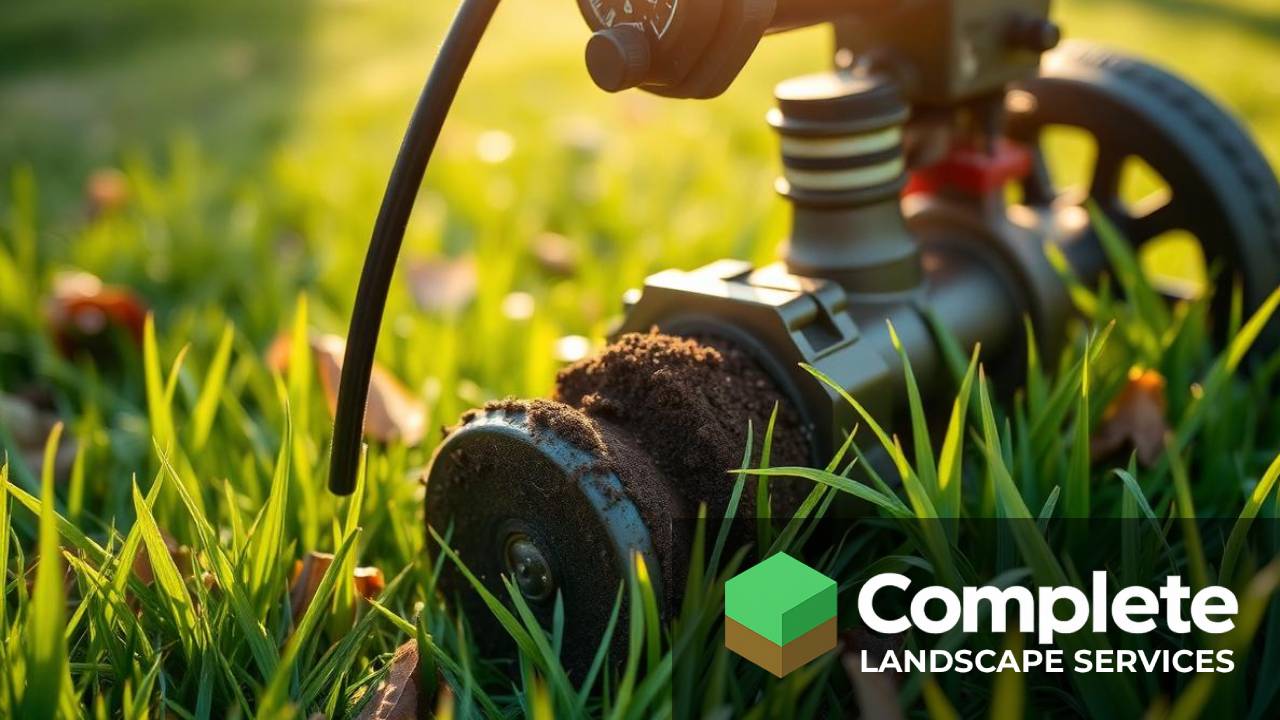
Table of Contents
The best time to aerate your lawn is when grass is actively growing and can recover quickly, that means early fall (late August through October) for cool-season lawns and late spring through early summer for warm-season lawns. Aerating at the right moment relieves compaction, lets water and fertilizer reach the root zone, and produces visibly thicker turf within a single growing season. Aerate at the wrong moment and you stress the grass, expose it to weeds, and waste money. This guide breaks down lawn aeration timing by climate zone, grass type, and the visible signs your lawn is ready, so you can schedule it once and get the result you paid for.
When is the best time to aerate a lawn?
The best time to aerate a lawn is during its peak growing season. For cool-season grasses (Kentucky bluegrass, fescue, ryegrass), that's early fall, typically September. For warm-season grasses (Bermuda, Zoysia, St. Augustine), aerate in late spring or early summer when soil temperatures stay above 65°F.
Timing matters because aeration creates thousands of small wounds in the soil and root zone. Grass needs to be growing vigorously to fill those holes with new roots and surface growth before weed seeds find the bare spots first. Aerating during dormancy, winter for cool-season lawns, deep summer for warm-season, invites crabgrass, exposes roots to drought, and slows recovery to weeks instead of days.
A reliable practical test: aerate when your grass has been mowed at least twice and is actively producing new top growth. The soil should be moist (not saturated), ideally one or two days after a soaking rain or a deep watering. Dry, hard soil resists the aerator tines; muddy soil compacts further under the machine's weight.
How do I know if my lawn needs aeration?
Your lawn needs aeration if water pools after watering, the soil feels rock-hard underfoot, a screwdriver won't push 3 inches into the ground easily, or thatch exceeds half an inch. Lawns on clay soil, high-traffic yards, and any lawn over five years old usually benefit from annual aeration.
Walk the lawn after a rain. If you see standing water more than an hour after the rain stops, especially in the same low spots every time, compaction is restricting drainage. Try the screwdriver test in several spots: a 6-inch screwdriver should slide into healthy soil with light hand pressure. If you have to lean on it, the soil is compacted.
Pull a small plug of turf with a trowel and look at the layer of brown, spongy material between the green blades and the soil. That's thatch. A thin layer (under ½ inch) is healthy; anything thicker blocks water, fertilizer, and air from reaching the roots and is a clear signal that core aeration, not just dethatching, is overdue.
Should I aerate in spring or fall?
For cool-season lawns across the northern USA and Canada, fall aeration is dramatically better than spring. Spring aeration coincides with crabgrass germination and pre-emergent application, which conflict. Fall aeration aligns with peak root growth, lets you overseed in the same pass, and gives the lawn six weeks of recovery before dormancy.
Spring aeration is only the right call in two scenarios: warm-season lawns in the southern USA emerging from dormancy, and cool-season lawns so badly compacted that fall is too far away to wait. In every other case, schedule it for early fall, follow it with overseeding and a starter fertilizer, and water consistently for the next two to three weeks.
If you do aerate in spring, skip the pre-emergent herbicide that season, the holes you've created are perfect crabgrass nurseries, and pre-emergents will also block the new grass seed you should be sowing.
What kind of aerator should you use?
Use a core (or 'plug') aerator that pulls 2–3 inch soil plugs out of the ground and deposits them on the surface. Spike aerators that simply punch holes provide minimal benefit and can worsen compaction. Rent a powered core aerator for a half-day or hire a professional landscaping service for lawns over 5,000 square feet.
Core aerators come in tow-behind, walk-behind, and stand-on models. For a typical residential lawn, a walk-behind core aerator from a local equipment rental is the right tool, expect to spend 2–4 hours including setup. Make two passes in perpendicular directions for even coverage, and leave the soil plugs on the surface. They'll break down in two or three mowings and return organic matter to the soil.
Frequently Asked Questions
The bottom line
Lawn aeration is one of the few maintenance tasks where timing matters more than technique. Get it on the calendar for early fall if you have cool-season grass, late spring for warm-season, and pair it with overseeding for the best return on your effort. Need professional help? Browse our member directory to connect with Complete Landscape Services professionals who offer core aeration, overseeding, and full-season lawn care across the USA and Canada.
Thinking bigger picture? Read our full guide on How to Start a Landscaping Company, or visit our member directory to connect with vetted Complete Landscape Services professionals.
Need professional help?
Browse our member directory to find trusted Complete Landscape Services professionals for lawn care & maintenance and more.
Our Member Directory