
How to Start a Landscaping Company
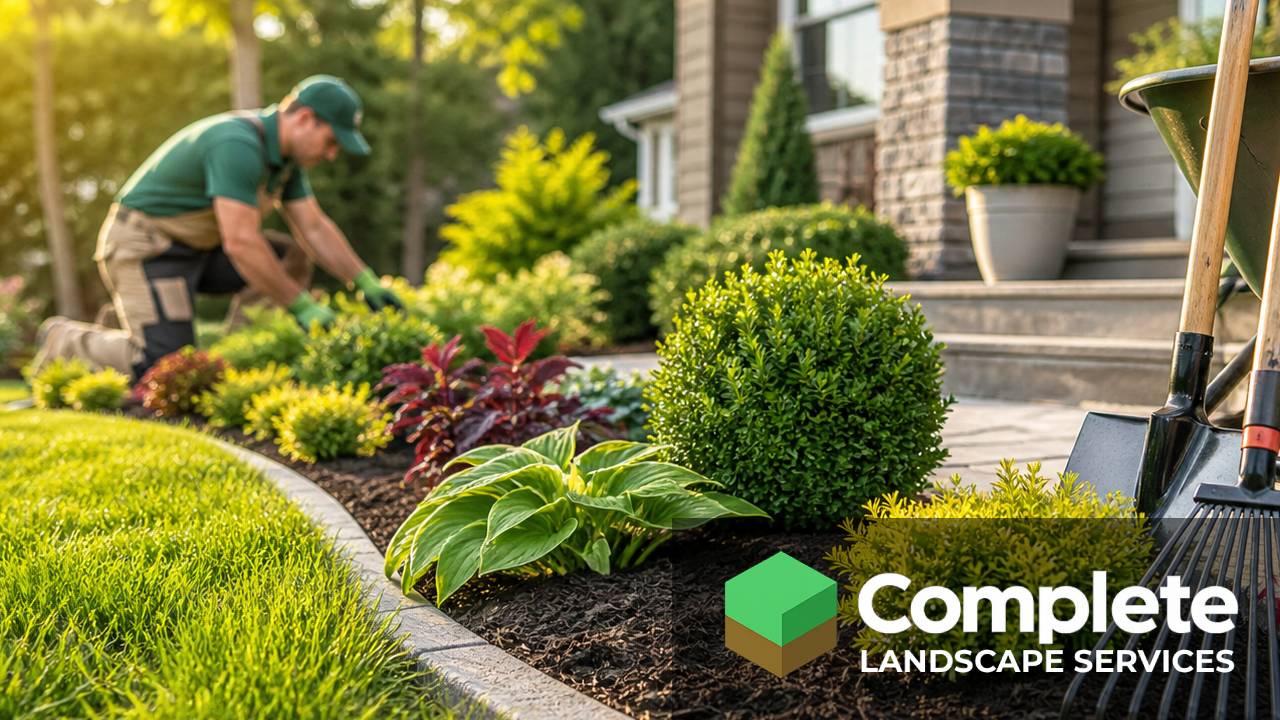
Table of Contents
Starting a landscaping company can be one of the most practical ways to build a service business from the ground up. You do not need a fancy office, a massive team, or years of formal business training to begin. Many landscaping companies start with one person, a few reliable tools, a truck or trailer, and a strong work ethic. From there, the business can grow into recurring lawn care, seasonal cleanups, garden maintenance, landscape construction, commercial contracts, and full-service property care. Learning how to start a landscaping company begins with understanding what kind of business you want to build, what services you can deliver well from day one, and how you will reach your first customers.
Is starting a landscaping company a good business idea?
Yes, starting a landscaping company can be a strong business idea for someone who enjoys working outdoors and serving local customers. Demand is local, visible, and ongoing, lawns keep growing, gardens need attention, and most homeowners and businesses lack the time, tools, or experience to handle the work themselves.
A landscaping business is attractive because the work is repeatable. Lawn care customers may need service every week or every two weeks during the growing season. Commercial properties often need year-round maintenance contracts. Seasonal work such as spring and fall cleanups, pruning, planting, and snow removal can fill the calendar throughout the year.
One of the biggest advantages is the ability to start small. A beginner can offer mowing, edging, weeding, mulching, and cleanup with modest equipment and add more profitable services later. A landscaping company can serve homeowners, landlords, property managers, retail plazas, office buildings, condominiums, builders, and real estate agents preparing homes for sale. You do not need to serve everyone right away. It is usually better to start with a focused list of services and a clear ideal customer.
What type of landscaping company should you start?
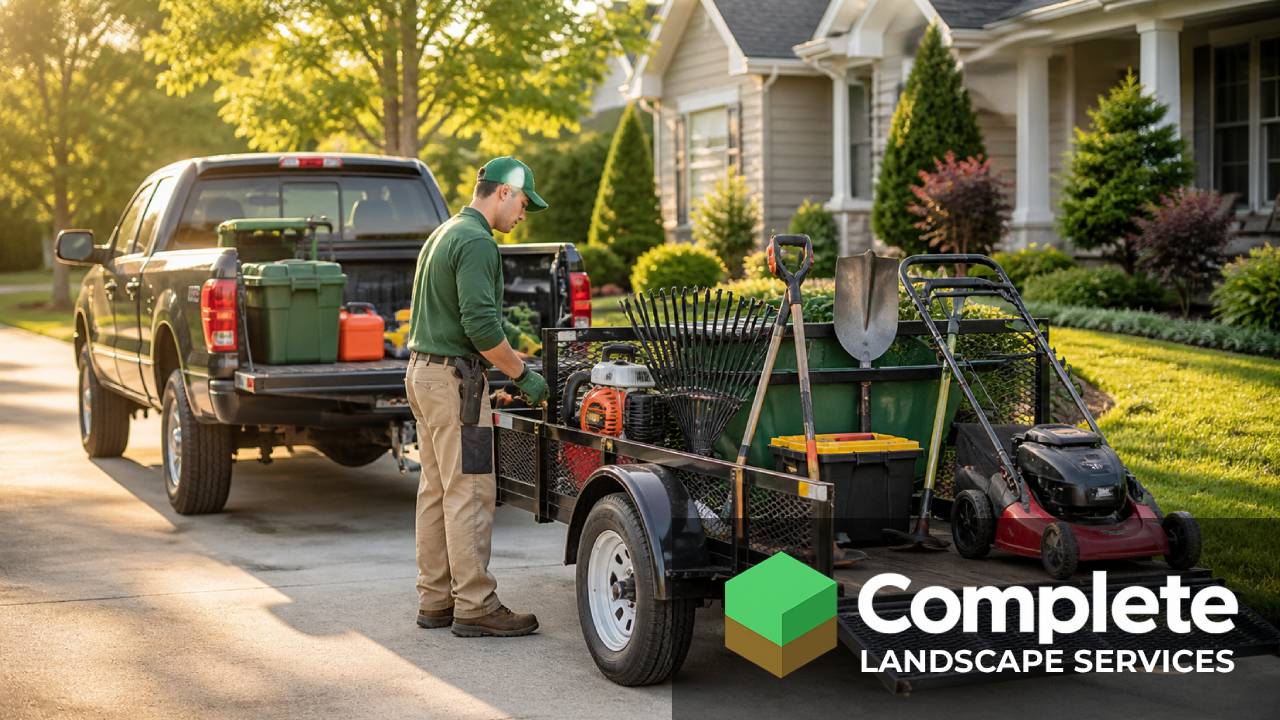
Decide whether you want to focus on lawn care, garden and softscaping, hardscaping and construction, or full-service property care. A clear service direction shapes your equipment list, pricing, marketing, and the type of customers you attract.
Lawn care is the most common entry point. It is simple to explain, easy to repeat, and lets you start with basic tools while building a base of weekly customers. Once a customer trusts you for mowing, you can upsell mulch, hedge trimming, aeration, overseeding, sod repair, and seasonal cleanups.
Garden care and softscaping focus on the living parts of the landscape: planting flowers, shrubs, and small trees, refreshing beds, mulching, pruning, and weeding. It is less equipment-heavy than construction work but rewards landscapers who understand local plants, soil, and seasonal care.
Hardscaping covers patios, walkways, retaining walls, steps, grading, drainage, and outdoor living areas. It is profitable but requires real experience, stronger estimating skills, and better equipment. A full-service landscaping company combines all of the above and is a strong long-term goal, but it is harder to manage at the very beginning. A smart growth plan is to start narrow, become excellent, then expand one service at a time.
What do you need to start a landscaping company?
At a basic level you need practical landscaping skills, a clear list of services, a professional business name, reliable transportation, insurance, a legal business setup, simple pricing, and a way to get customers. You do not need everything to be perfect before you begin.
Practical skills include mowing in clean lines, trimming and edging cleanly, raking and removing debris, spreading mulch evenly, pulling weeds properly, pruning shrubs without damaging them, preparing soil, planting correctly, and cleaning up after every job. Business skills matter just as much: returning calls, showing up on time, sending estimates, collecting payment, and tracking expenses.
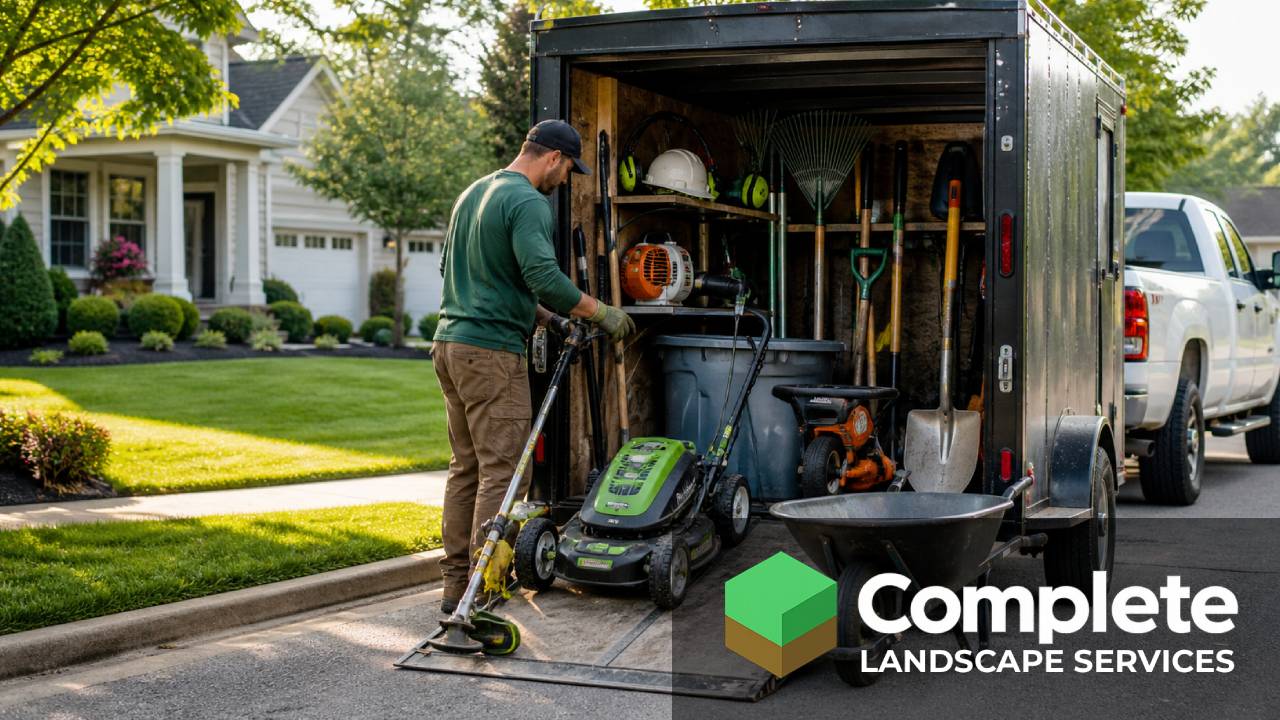
A clear list of services helps you market the business and avoid taking jobs outside your skill level. A good business name is easy to spell, easy to remember, and not too narrow as you grow. Most landscaping work also requires transportation. A pickup truck and trailer make it easier to carry mowers, trimmers, blowers, wheelbarrows, and hauling tools, and they make your setup look more professional.
Insurance and legal setup are non-negotiable. Mowers can throw rocks, workers can damage fences, and trailers can be involved in road incidents. Common coverage includes general liability, commercial vehicle, equipment coverage, and workers' compensation if you have employees. Treat even a small landscaping company like a real business from day one.
How do you register a landscaping company?
To register a landscaping company, choose a business structure, register your business name, check local licensing and permit requirements, set up tax accounts, and open a business bank account. Some services may also require special permits or certifications.
A sole proprietorship is often the simplest structure for a one-person startup, but it does not separate personal and business liability the way an LLC or corporation does. A local accountant or small business advisor can help you choose the right structure for your situation and goals.
Once your name is chosen, register it with the appropriate government office. Different places have different rules, some require a general business license, others require special permits for pesticide application, irrigation, construction, tree removal, or commercial work. You may also need to register for sales tax. If you hire employees, you may need payroll accounts and workers' compensation coverage.
Open a separate business bank account to keep finances clean. It makes bookkeeping easier, helps you track revenue and profit, and looks more professional when customers pay your business rather than you personally.
What tools do you need to start a landscaping company?
Start with hand tools, lawn care equipment, cleanup and hauling gear, and basic admin tools for quoting, scheduling, and invoicing. Match your first tool purchases to the services you plan to offer, then add equipment as your customer base grows.
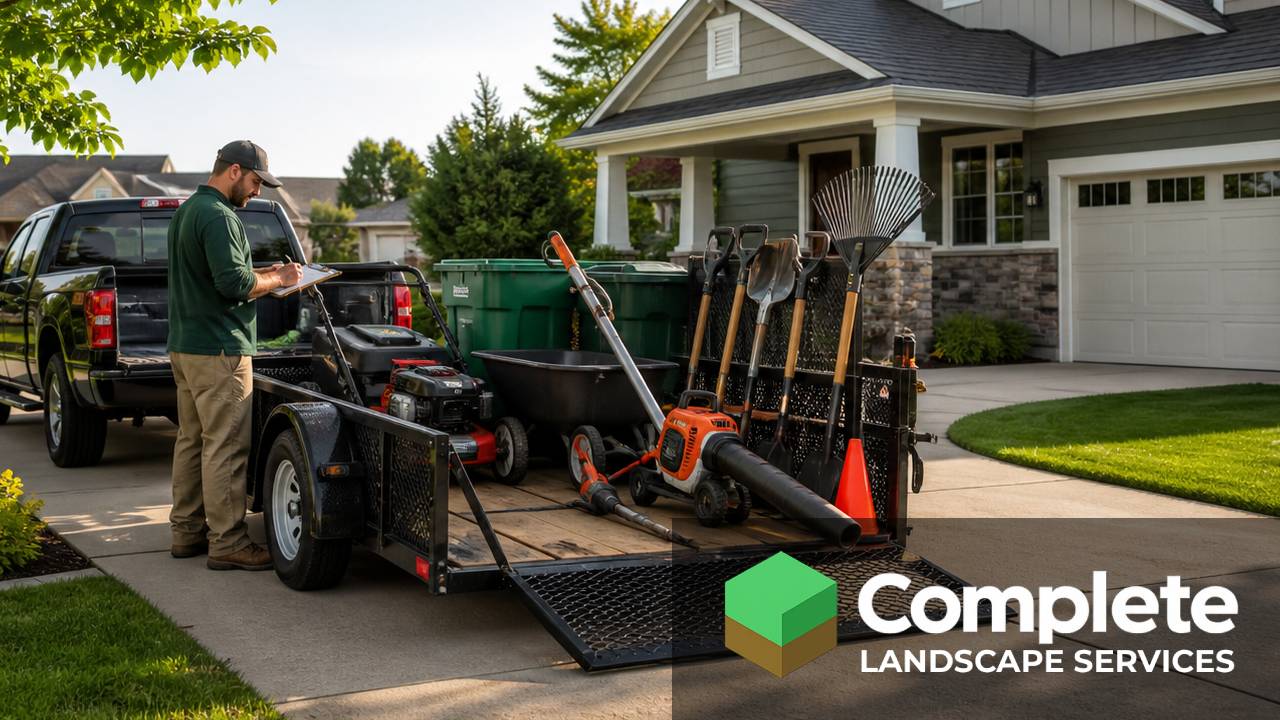
Hand tools are the foundation of most landscaping work. A typical starter kit includes rakes, shovels, garden forks, pruning shears, hedge shears, loppers, brooms, wheelbarrows, buckets, tarps, gloves, safety glasses, and ear protection. Choose durable tools that can handle daily use rather than the cheapest options.
For lawn care, the basic setup is a mower, string trimmer, edger, and leaf blower. As soon as the business has steady work, invest in commercial-grade equipment to reduce breakdowns. Battery-powered tools are useful for noise-sensitive properties; gas equipment is still preferred for long workdays. Cleanup and hauling tools, contractor bags, bins, tarps, tie-down straps, and a truck or trailer, help you finish jobs professionally and dispose of debris.
Admin tools matter just as much. A phone, email address, calendar, quoting system, invoicing software, and customer list keep the business organized. A measuring wheel and a phone camera for before-and-after photos help with estimates, marketing, and customer trust.
| Starter Tools | Lawn Care Equipment | Hauling & Cleanup | Business Essentials |
|---|---|---|---|
| Rakes, shovels, pruners, hedge shears, loppers, garden forks, gloves, safety glasses, ear protection, brooms, buckets, and a wheelbarrow. These are useful for garden cleanups, planting jobs, pruning, mulching, and general property maintenance. | Lawn mower, string trimmer, edger, leaf blower, gas cans or battery chargers, spare line, mower blades, and basic maintenance supplies. These are best for mowing routes, weekly lawn care, edging, trimming, and keeping driveways and walkways clean after service. | Truck, trailer, tarps, contractor bags, bins, tie-down straps, ramps, yard waste containers, and disposal access. These help you move tools, haul debris, transport mulch or soil, and leave each property clean and professional after the job is finished. | Phone, email, business bank account, invoicing software, scheduling calendar, measuring wheel, quote templates, insurance, website, Google Business Profile, and customer review process. These help you quote jobs, get paid, stay organized, and look professional from the beginning. |
What equipment do you need to run a landscaping company?
Starter equipment for a small landscaping company includes a mower, trimmer, blower, hand tools, a wheelbarrow, safety gear, and a reliable vehicle, plus a small trailer if needed. Larger jobs may eventually call for commercial mowers, dump trailers, mini skid steers, or compact excavators.
Buy equipment that helps create revenue right away. Equipment sitting unused in storage is not helping the business. Rent specialized machines such as aerators, sod cutters, plate compactors, or mini skid steers until you know there is enough demand to justify buying.
Larger equipment increases revenue but also increases responsibility, training, safety procedures, maintenance schedules, storage, and insurance. Renting is usually a smart first step. If you rent the same machine regularly and the jobs are profitable, buying may then make sense.
Buying gives you control and availability but ties up cash and adds maintenance. Renting preserves cash for jobs you do occasionally. Financing can help spread costs but creates monthly payments that continue even during slow seasons. The best approach for most beginners is to buy the essentials, rent the specialty equipment, and finance only when demand is steady.
How much does it cost to start a landscaping company?
Startup costs range from a small budget for a solo lawn-care operator to tens of thousands of dollars for a full crew with commercial equipment. Costs typically include equipment, vehicle and trailer expenses, insurance, registration, licensing, website, marketing, fuel, maintenance, and working capital.
A low-cost startup focuses on services like mowing, weeding, raking, small garden cleanups, hedge trimming, and mulch installation. The owner may begin with basic tools, a used mower, a trimmer, a blower, and a reliable vehicle. The goal is to build cash flow before making larger purchases.
A mid-range startup adds better equipment, a trailer, branded clothing, insurance, a simple website, a Google Business Profile, and some local marketing. This option helps the company look more polished and take on more jobs each week. The risk is spending too much before the customer base is ready.
A higher-cost startup may include commercial mowers, trucks, trailers, compact equipment, hardscaping tools, employees, storage, and larger marketing budgets. It can grow faster but carries more risk. Payroll, equipment payments, repairs, insurance, and overhead can quickly pressure cash flow if leads slow down or jobs are underpriced.
| Startup Level | Best For | What You May Need | Smart Approach |
|---|---|---|---|
| Low-Cost Startup | Solo operators starting with lawn mowing, weeding, mulch, hedge trimming, and small yard cleanups. | Basic mower, trimmer, blower, hand tools, safety gear, simple invoicing system, business registration, and insurance. | Keep services simple, avoid large purchases, and use early jobs to build photos, reviews, and repeat customers. |
| Mid-Range Startup | New businesses that want a more professional setup and plan to serve several customers each week. | Better mower, trailer, branded shirts, website, Google Business Profile, quoting software, cleanup tools, and marketing materials. | Invest in equipment that saves time, improves reliability, or helps you win profitable recurring work. |
| Higher-Cost Startup | Experienced landscapers starting with larger jobs, commercial contracts, hardscaping, or crew-based operations. | Commercial mower, truck, trailer, compact equipment, specialty tools, workers' compensation, payroll setup, storage, and stronger marketing. | Make sure demand is steady before adding debt, employees, and expensive equipment payments. |
How should you price landscaping services?
Use hourly pricing for jobs with uncertain scope, flat-rate pricing for repeatable services like mowing or seasonal packages, and project-based pricing for larger work like sod, drainage, or hardscaping. Every price must cover labor, materials, travel, fuel, disposal, equipment wear, insurance, taxes, and profit.
Hourly pricing is simple and protects you when scope is unclear, but customers often focus too much on the rate. Set minimum charges for small jobs to cover travel and setup time. Flat-rate pricing works well for mowing routes, seasonal packages, and routine maintenance, customers like knowing the cost upfront, and the business benefits as it becomes more efficient.
Project-based pricing fits sod installation, planting projects, drainage improvements, hardscaping, and full yard makeovers. A good project quote includes labor, materials, equipment, rentals, disposal, delivery, travel, permits if needed, overhead, and profit. Always include a clear written scope so both you and the customer understand what is included.
Underpricing is one of the most common mistakes new landscaping companies make. Track your numbers, know your costs, and add real profit to every job. A successful landscaping company needs enough margin to repair equipment, replace tools, pay taxes, survive slow weeks, and eventually hire help.
How do you get your first landscaping customers?
Start with people you already know, set up a Google Business Profile, build a simple website, use local Facebook groups and directories, and ask every happy customer for a review. Local visibility, real photos, and honest reviews are how a new landscaping company gains traction.
Your first customers often come from friends, family, neighbors, coworkers, and local community groups. Be specific about what you offer, for example, "I am taking on lawn mowing, garden cleanup, mulch, and hedge trimming jobs in the area". Treat early jobs seriously, they are the source of your first photos, reviews, and referrals.
A Google Business Profile is one of the most important marketing tools for a local landscaping company. Add your business name, service area, phone number, website, hours, services, photos, and a clear description, then ask happy customers to leave reviews. A simple website with a homepage, service pages, service area information, project photos, and a contact form helps customers understand who you are and how to hire you.
Local Facebook groups and directories can help you get noticed, but be respectful and avoid spamming. Keep your business name, address, phone number, and services consistent across every platform. Reviews are powerful, ask soon after each job is finished, while the customer is happy with the result.
How do you make a landscaping company look professional?
Choose a clean business name and simple logo, wear branded uniforms, use vehicle decals, take before-and-after photos, and send professional estimates and invoices. A consistent appearance helps customers feel confident hiring you before the work even begins.
A logo does not need to be complicated. It should be readable on a website, invoice, shirt, business card, truck decal, or yard sign. Branded shirts, hats, or hoodies make a small company look organized, and clean vehicles with magnets or decals get noticed in neighborhoods.
Before-and-after photos are excellent marketing assets. They show the quality of your work and help future customers imagine what you can do for their property. Always get permission before sharing customer photos online.
Professional paperwork builds trust. Estimates should include the customer's name, property address, scope of work, price, payment terms, and any important notes. Invoices should be clear and easy to pay. Even a small landscaping company can look established with organized, timely communication.
How do you build a successful landscaping company long term?
Show up when you say you will, communicate clearly with customers, track your numbers, build repeat revenue, and hire slowly with good training. Long-term success comes from reliable service, smart pricing, strong relationships, and good systems, not from buying more equipment.
Reliability is one of the simplest ways to stand out. Many customers have had bad experiences with contractors who do not answer calls, miss appointments, or leave jobs unfinished. Show up on time, communicate delays, and complete the work you agreed to do.
Track revenue, expenses, labor hours, material costs, fuel, equipment repairs, quote requests, closing rate, and profit. A busy schedule is not the same as a profitable company. Repeat revenue, lawn mowing routes, seasonal maintenance plans, commercial contracts, and annual service packages, makes the business more stable.
Hiring should follow demand, not the other way around. Train team members carefully so quality does not drop as the company grows. Avoid common mistakes: buying too much equipment too soon, taking every job, underestimating job time, skipping insurance, and forgetting to ask happy customers for reviews. Use this simple checklist to stay focused: choose your services, pick a name, register the business, check licensing and insurance, buy or rent starter tools, set your prices, build a website, set up a Google Business Profile, take photos of every job, ask for reviews, track your numbers, build repeat packages, hire when demand is steady, and add new services only when you can deliver them well.
Frequently Asked Questions
The bottom line
Starting your own landscaping company can be a realistic path for someone willing to work hard, learn the business, and serve customers well. You do not need to begin as the biggest company in town. You need a clear service list, proper tools, reliable transportation, basic business setup, fair pricing, and a plan to get customers. Offer services you can do well, take care of each customer, collect reviews, track your numbers, and reinvest carefully. Over time, a small landscaping business can grow into a successful landscaping company with repeat clients, strong local visibility, and a reputation for dependable work.
Need professional help?
Browse our member directory to find trusted Complete Landscape Services professionals for commercial landscaping and more.
Our Member Directory