
Fall Landscaping Tips to Prepare Your Yard for Winter
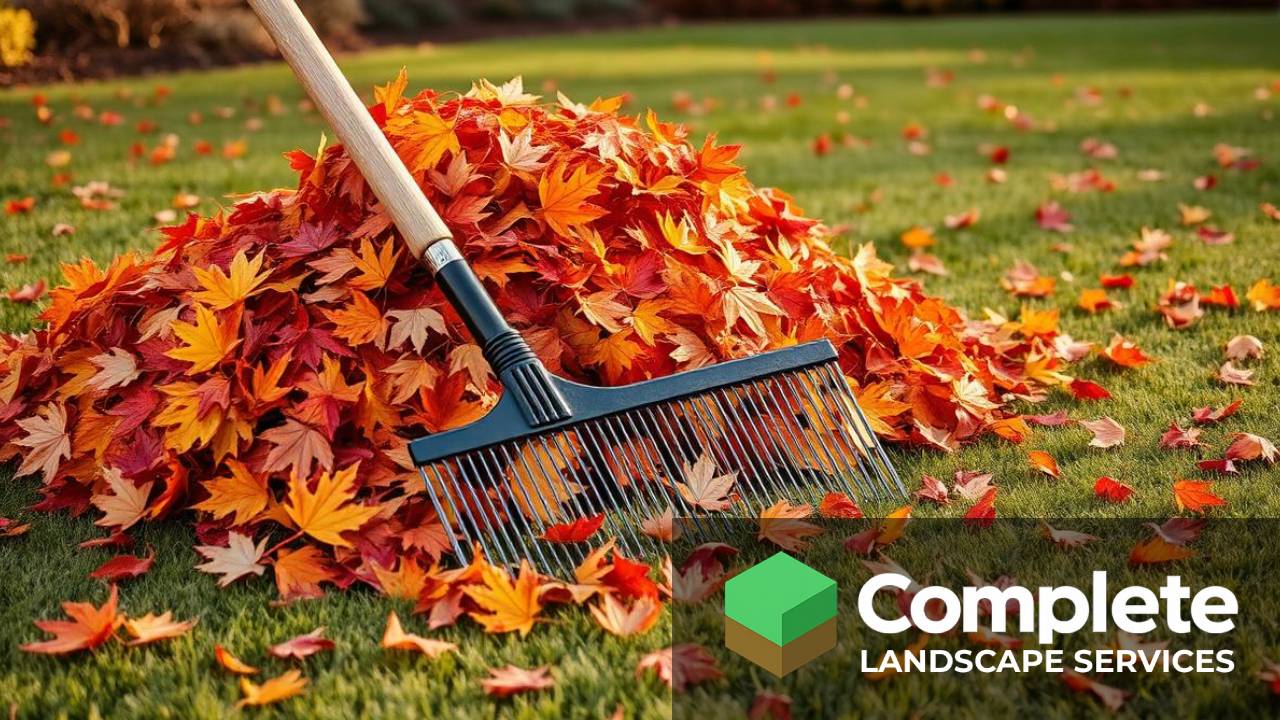
Table of Contents
The most useful fall landscaping tips are the ones with the highest leverage, small jobs done in October that pay back through the entire next growing season. Fall fertilization builds the root mass that determines spring greenup. Aeration and overseeding now produce thicker turf for years. Irrigation winterization saves thousands in repair bills. Leaf cleanup prevents snow mold that takes months to recover from. This guide walks through the fall landscaping work that actually matters, what to do, when to do it, and the common mistakes that turn good intentions into spring damage.
What should I do to my yard in the fall?
The five highest-impact fall landscaping tasks are: aerate and overseed cool-season lawns in early fall, apply a winterizer fertilizer in mid-to-late fall, clean up leaves before they mat and smother the grass, winterize your irrigation system before the first hard freeze, and prune deadwood from trees and shrubs once they're dormant.
These five jobs deliver the bulk of fall landscaping value. Aeration and overseeding capitalize on the perfect soil temperatures and reduced weed competition of fall. Winterizer fertilizer (high in potassium) strengthens roots through the cold months. Leaf cleanup prevents snow mold. Irrigation winterization prevents cracked pipes and ruined valves. Late-fall pruning is safer for the tree and easier to see when leaves are off.
Skip the temptation to do heavy fall pruning on spring-flowering shrubs (lilac, forsythia, rhododendron), those plants set next year's flower buds in summer, and pruning them in fall removes the spring show.
When should I do my fall lawn cleanup?
Schedule the main fall cleanup after most leaves have dropped, typically late October to mid-November in the northern USA and Canada, early November in the mid-Atlantic, and late November to early December in the southern USA. A second light cleanup in early winter handles late-falling oak and beech leaves.
Don't wait until every last leaf is down, leaves left on the lawn for more than a week or two start to mat after rain, blocking light and trapping moisture against the crown of the grass. The result is snow mold and dead patches that take until June to grow back.
Mulching leaves with the mower (rather than bagging) is excellent for the lawn when leaf volume is light to moderate, it returns nutrients to the soil. Heavier accumulations from mature shade trees still need to be removed.
Should I fertilize my lawn in the fall?
Yes, fall fertilization is the most important application of the year for cool-season lawns. Apply a 'winterizer' fertilizer (typically high in potassium and lower in nitrogen) in mid-to-late fall when the grass has stopped growing but the soil is still above 40°F. This builds root reserves that drive spring greenup.
The window matters: apply too early and you push tender growth that gets killed by the first freeze; apply too late and the grass can't take up the nutrients before going dormant. For most of the USA, mid-October to early November is the right window. For southern Canada, late September to mid-October.
Warm-season lawns (Bermuda, Zoysia, St. Augustine) should not receive fall nitrogen, it weakens their winter dormancy. A potassium-only application is fine.
How do I winterize my irrigation system?
Winterize your irrigation system by shutting off the main water supply, draining the backflow preventer, and using compressed air to blow out each zone until only mist comes out of the heads. In any climate where the ground freezes, this must be done before the first hard freeze (sustained temperatures below 28°F).
DIY winterization requires a contractor-grade air compressor, typical homeowner compressors don't move enough air volume to clear the lines. Most homeowners hire a professional for this job; expect to pay $75–$150 for a typical residential system, far less than the cost of replacing a cracked backflow preventer or split valve.
Frequently Asked Questions
The bottom line
Fall is the highest-leverage season in the landscape calendar, a few right jobs done at the right time set up the entire next year. Get the irrigation winterized, the lawn fed and overseeded, and the leaves off before they mat, and you've done 80% of what professional landscapers do. Need help with the heavy lifting? Complete Landscape Services offers full fall cleanup, aeration, overseeding, and irrigation winterization across the USA and Canada, book your fall service before the calendar fills up.
Thinking bigger picture? Read our full guide on How to Start a Landscaping Company, or visit our member directory to connect with vetted Complete Landscape Services professionals.
Need professional help?
Browse our member directory to find trusted Complete Landscape Services professionals for seasonal cleanup and more.
Our Member Directory