
Landscaping Business Insurance: What Coverage You Actually Need

Table of Contents
Landscaping business insurance is not one policy, it is a stack of them, and the stack changes as the business grows. A solo operator with a mower and a trailer needs different protection than a five-crew company doing commercial grounds contracts and tree work. What stays constant is the risk profile: you operate high-speed cutting equipment near glass, vehicles, and people; you drive a loaded trailer through residential streets; you carry tens of thousands of dollars of theft-attractive equipment; and you alter properties in ways that can cause damage months later. This guide explains each coverage type in plain language, what it actually pays for, realistic premium ranges, and the order in which to buy as you scale.
What insurance does a landscaping business need?
At minimum: general liability for third-party injury and property damage, commercial auto for work vehicles and trailers, and inland marine for tools and equipment away from your premises. Add workers' compensation the moment you hire an employee, and consider an umbrella policy once you take on commercial contracts.
General liability is the foundation and the one clients ask about. It covers bodily injury and property damage you cause to third parties, which in landscaping most often means a rock thrown by a mower deck through a window or windshield, chemical drift onto a neighbouring garden, or a client tripping over equipment.
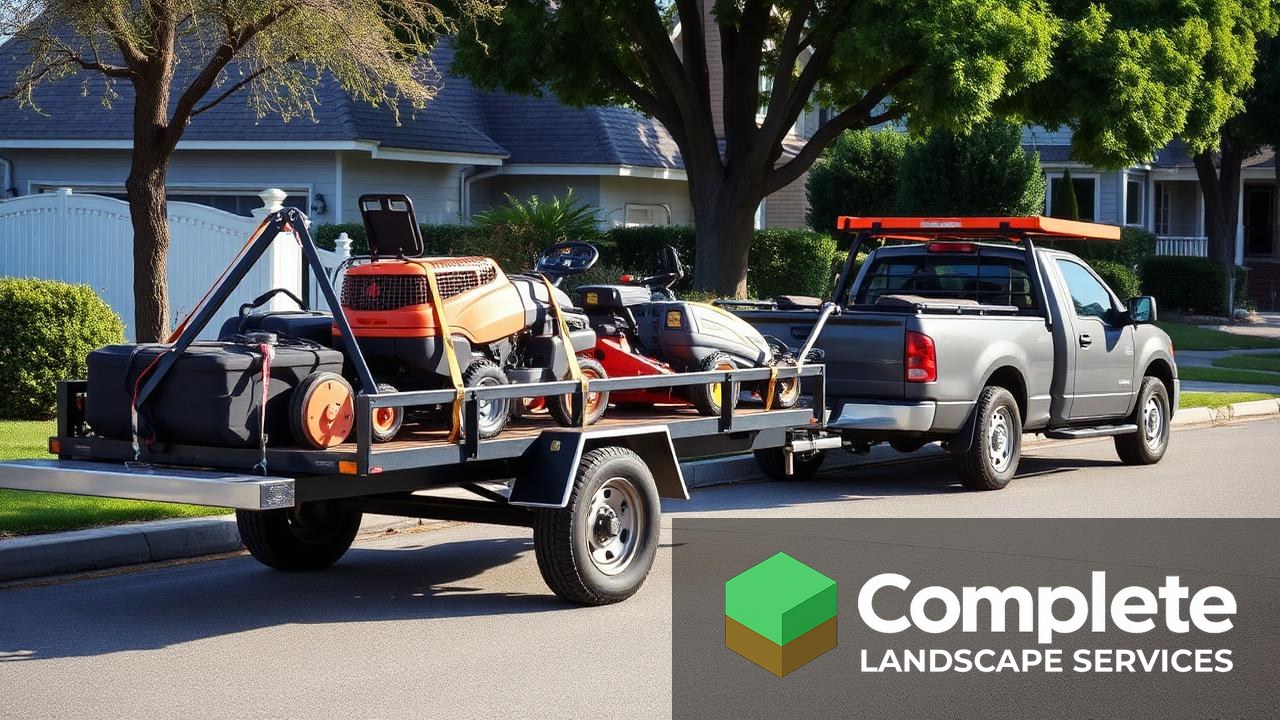
Commercial auto matters because personal auto policies exclude business use. If you are towing a trailer full of equipment to a job site and cause an accident, a personal policy can and frequently does deny the claim, leaving both the vehicle damage and the liability with you personally.
Inland marine, despite the name, is equipment coverage. It insures mowers, trimmers, blowers, and hand tools while in transit or at a job site, which standard property policies do not. Theft from an unattended trailer is one of the most common landscaping claims filed.
| Coverage | What it protects | Typical annual cost | When to buy |
|---|---|---|---|
| General liability | Third-party injury and property damage | $500 to $1,500 | Before your first paid job |
| Commercial auto | Work vehicles and towed trailers | $1,200 to $3,000 per vehicle | Before using a vehicle for work |
| Inland marine / equipment | Tools and equipment off premises | $250 to $800 | Once equipment exceeds a few thousand dollars |
| Workers' compensation | Employee injury, medical, lost wages | $3 to $12 per $100 of payroll | The day you hire your first employee |
| Umbrella / excess liability | Claims above primary policy limits | $400 to $1,200 per $1M | When commercial contracts require it |
| Pollution liability | Fertilizer and pesticide incidents | $500 to $1,500 | If you apply chemicals |
How much general liability coverage do you need?
A $1 million per occurrence and $2 million aggregate policy is the standard baseline and satisfies most residential and small commercial clients. Larger commercial contracts, municipal work, and property management agreements commonly require $2 million per occurrence or a $1 million policy paired with a $1 million umbrella.
Read the exclusions rather than the headline limit. Many general liability policies exclude tree work above a certain height, chemical application, snow removal, and subcontracted labor. If you do any of those, confirm in writing that they are covered or buy the endorsement.
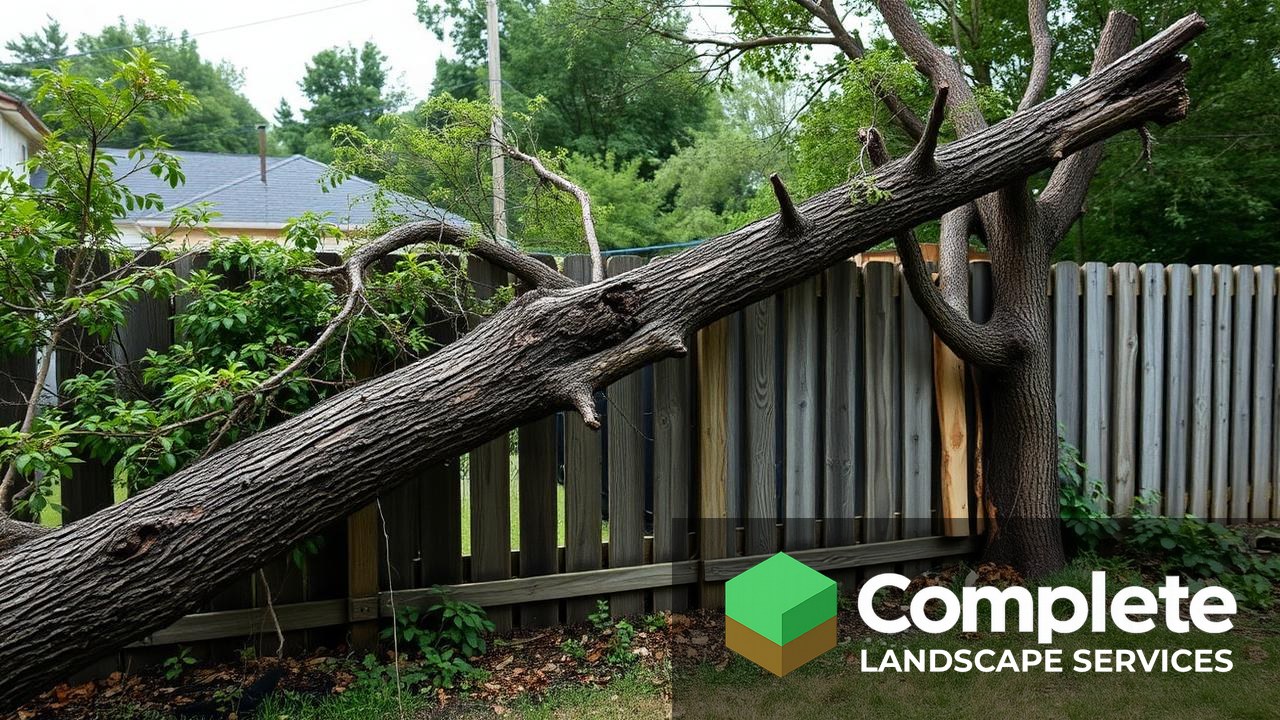
Understand the completed operations component, which covers damage that surfaces after you finish. A retaining wall that fails eighteen months later or a tree that drops a limb after your pruning falls under completed operations, not the work-in-progress coverage most people assume.
Ask about additive insured endorsements early. Commercial clients routinely require being named as an additional insured on your policy, and some insurers charge per certificate. Knowing this before you bid keeps it out of your margin.
When do you need workers' compensation?
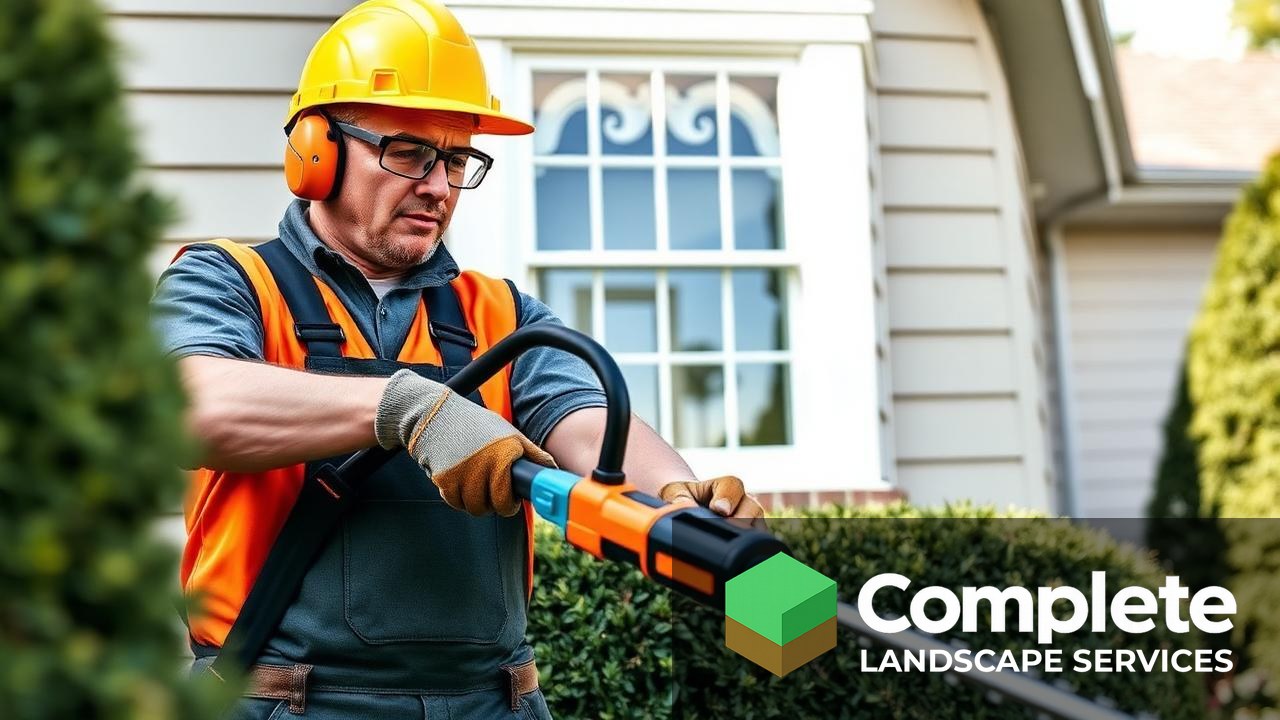
In nearly every US state and Canadian province, workers' compensation is legally required the moment you hire your first employee, and in some jurisdictions it applies to certain contractors too. Penalties for operating without it are severe, and an uninsured injury claim can end a small business outright.
Rates are quoted per $100 of payroll and landscaping classifications typically run $3 to $12 depending on jurisdiction and whether you perform tree work, which carries a much higher rate. Your experience modification factor rises after claims, so safety programs pay for themselves directly.
Classify workers correctly. Treating crew members as independent contractors to avoid workers' compensation is a well-known audit target, and misclassification penalties are commonly assessed retroactively with interest.
Even where a sole proprietor is exempt, many commercial clients will require proof of coverage or a signed exemption form before allowing you on site. Check what your target clients demand before deciding to opt out.
What does landscaping insurance not cover?
Standard policies typically exclude damage to the specific work you are performing, wear and tear on your own equipment, employee theft, professional design errors, chemical pollution, and often tree work above a set height. Each of these has a dedicated policy or endorsement available.
The most misunderstood exclusion is damage to your own work. General liability covers damage you cause to other property, not the cost of redoing the patio you installed incorrectly. That is a warranty obligation and it comes out of your margin.
If you provide landscape design, drainage plans, or plant specifications for a fee, consider professional liability, sometimes called errors and omissions. It covers claims that your advice or design caused a loss, which general liability specifically excludes.
Chemical application deserves its own attention. Fertilizer and herbicide incidents fall under pollution liability in most policy language, and drift onto a neighbouring property or into a water body can generate a claim far larger than the value of the job.
How do you lower landscaping insurance premiums?
Bundle policies with one insurer, maintain a documented safety program, choose a higher deductible if your cash reserves allow, keep a clean claims history, and review coverage annually as your equipment list and service mix change. Industry association membership sometimes unlocks group rates.
Document your safety program rather than just having one. Written procedures, toolbox talks, personal protective equipment logs, and equipment inspection records are what an underwriter can actually credit at renewal.
Keep your schedule of equipment current in both directions. Insuring a mower you sold two years ago wastes premium; omitting the mini excavator you bought in March means it is not covered when the trailer is stolen.
Shop the whole stack at once, ideally with a broker who specializes in green industry accounts. A specialist broker will catch the tree-height and chemical exclusions that a generalist misses, and those gaps cost far more than any premium difference.

How does insurance help you win work?
Insurance is a sales asset, not just a cost. Property managers, HOAs, municipalities, and commercial clients require a certificate of insurance before awarding contracts, and many residential clients now ask as well. Being able to produce a certificate the same day frequently decides who gets the job.
Keep a current certificate of insurance saved as a PDF and ready to send. Requests usually come with a short deadline, and the operator who responds in an hour has a real advantage over the one who has to call their broker on Monday.
Say so in your marketing. Licensed, bonded, and insured is a genuine differentiator in a trade with a large uninsured segment, and it reframes a higher quote as a lower-risk one.
Coverage also protects your pricing. When you know your true annual insurance cost, you can build it into your overhead correctly rather than discovering it as an unbudgeted expense. Our guide on how to price landscaping jobs shows exactly where insurance belongs in the crew-hour calculation, and what to include in a landscaping contract covers the indemnity and insurance clauses that should accompany it.
Frequently Asked Questions
The bottom line
Insurance in landscaping is both risk management and market access. Start with general liability, commercial auto, and equipment coverage, add workers' compensation the day you hire, and read the exclusions rather than the limits. Then build the real annual cost into your overhead so every quote carries its share, and keep the certificate ready to send the moment a client asks.
Thinking bigger picture? Read our full guide on How to Start a Landscaping Company, or visit our member directory to connect with vetted Complete Landscape Services professionals.
Need professional help?
Browse our member directory to find trusted Complete Landscape Services professionals for commercial landscaping and more.
Our Member Directory