
The Best Time to Plant Grass Seed in the USA and Canada
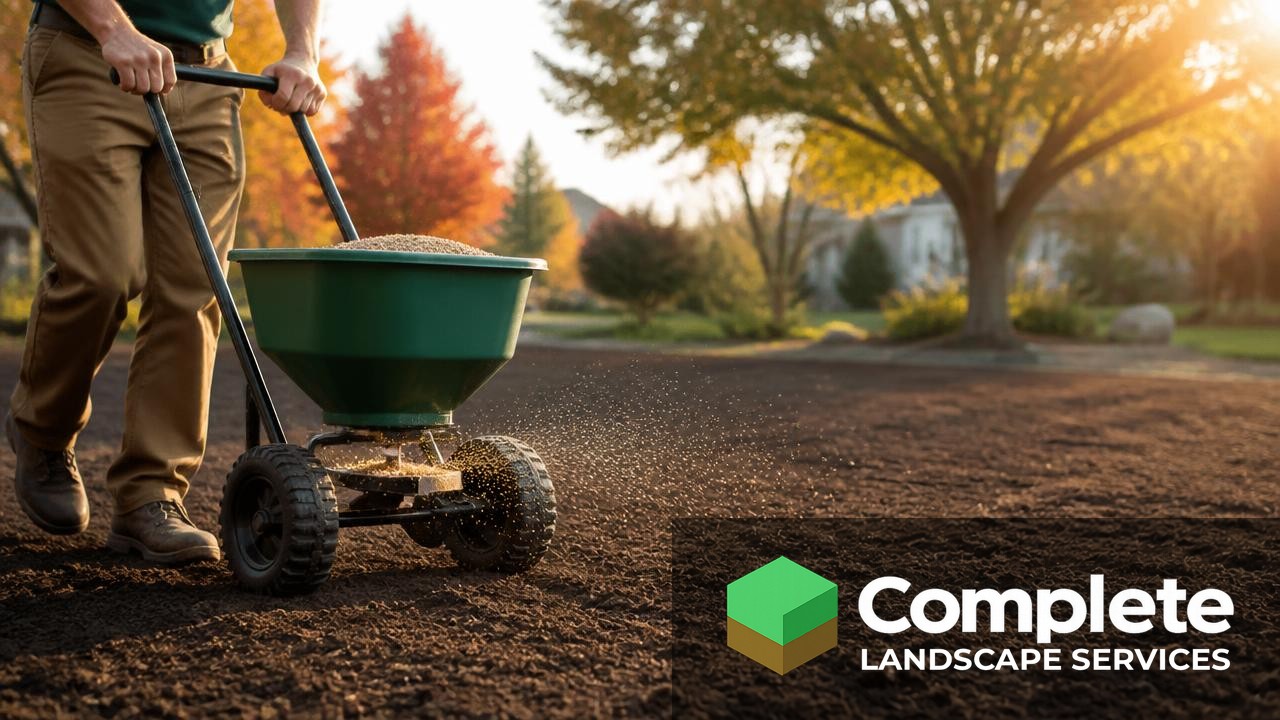
Table of Contents
Grass seed does not germinate on a calendar date. It germinates at a soil temperature, and every reliable seeding recommendation is really a proxy for hitting that temperature window with enough growing days left for the seedlings to root before conditions turn against them. Get that right and a $90 bag of seed produces a lawn. Get it wrong by four weeks and the same bag produces a flush of seedlings that die in a July heat wave or a November freeze. This guide gives the actual soil temperature targets for cool-season and warm-season grasses, translates them into calendar windows for the major climate regions of the USA and Canada, and covers the preparation and aftercare that determine whether germination turns into an established lawn.
When is the best time to plant grass seed?
For cool-season grasses, the best time is late summer to early fall, when soil temperatures are between 50 and 65 degrees Fahrenheit and air temperatures are falling. For warm-season grasses, seed in late spring to early summer once soil temperatures hold above 65 degrees. Fall seeding outperforms spring seeding in nearly every northern region.
Fall wins for cool-season lawns because the conditions line up in the seedling's favor: warm soil, cool air, reliable moisture, and dramatically lower weed competition. Crabgrass and most annual weeds have finished germinating by late August, so new grass does not have to fight for space and light.
Spring seeding is the fallback, not the standard. It works, but the seedlings get roughly ten weeks of root development before summer heat arrives, and they compete with the year's entire weed cycle. If you must seed in spring, do it as early as the soil can be worked and plan to water carefully through the first summer.
Dormant seeding is a third option in cold climates: spreading seed in late fall after soil temperatures fall below 40 degrees so it sits inert until spring. It is unpredictable but useful on slopes and bare patches you cannot reach in the ideal window.
What soil temperature does grass seed need to germinate?
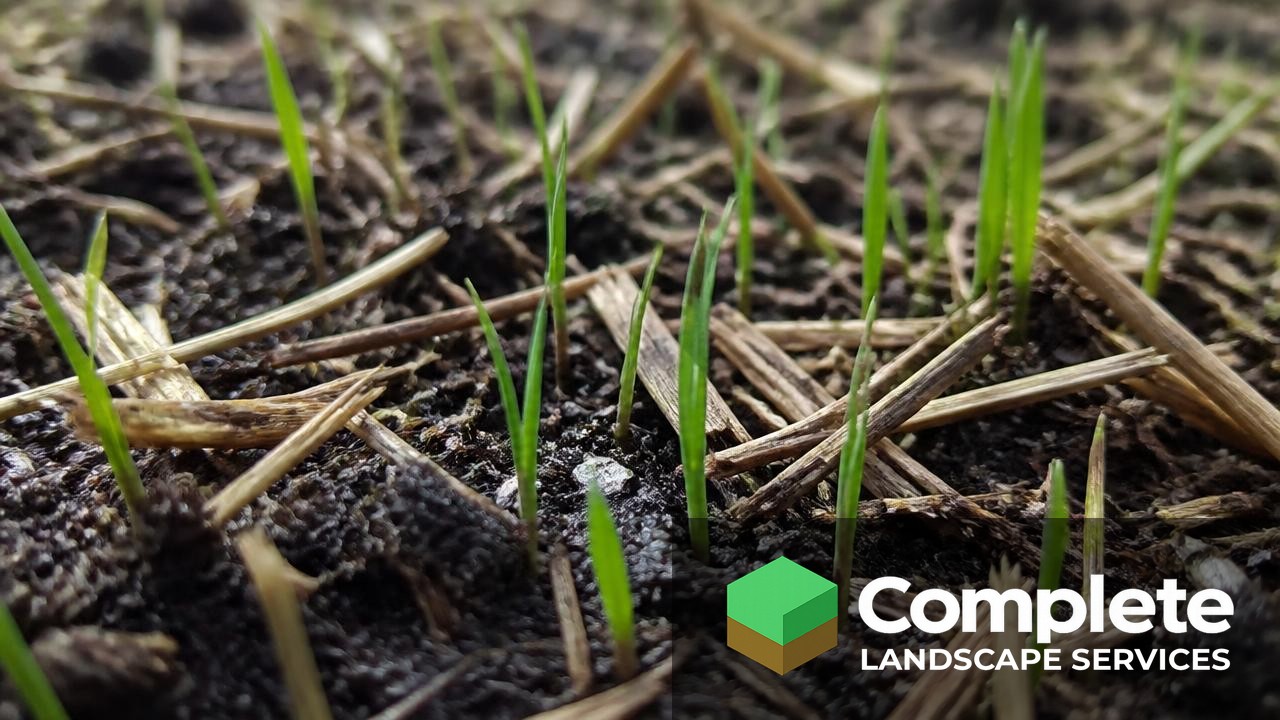
Cool-season grasses, including Kentucky bluegrass, perennial ryegrass, and tall fescue, germinate at soil temperatures of 50 to 65 degrees Fahrenheit. Warm-season grasses, including bermuda, zoysia, and buffalograss, need 65 to 75 degrees. Measure soil temperature at 2 inches deep in the morning, not air temperature.
Air temperature is a poor proxy because soil lags it by one to three weeks in both directions. In early fall, air can feel cold while soil remains perfectly warm for germination, which is exactly why late-season seeding often succeeds when homeowners assume it is too late.
A basic soil thermometer costs less than a bag of seed and removes all the guesswork. Take the reading in the same spot each morning for three consecutive days, because a single warm afternoon reading will mislead you.
Germination speed varies by species even inside the right window. Perennial ryegrass shows in 5 to 10 days, tall fescue in 7 to 14, and Kentucky bluegrass in 14 to 30, which is why many northern seed blends mix them so the fast species stabilizes the soil while the slow one fills in.
| Region | Grass type | Primary seeding window | Backup window |
|---|---|---|---|
| Canadian Prairies and Northern Plains | Cool-season | Aug 1 to Sep 10 | Early May |
| Ontario, Quebec, Maritimes, Northeast USA | Cool-season | Aug 15 to Sep 25 | Mid to late April |
| Pacific Northwest and BC coast | Cool-season | Sep 1 to Oct 15 | March to April |
| Midwest and Transition Zone | Cool-season or tall fescue | Aug 20 to Oct 5 | Late March to April |
| Mid-Atlantic | Tall fescue | Sep 1 to Oct 15 | March |
| Southeast and Gulf | Warm-season | May 1 to Jul 1 | Late April |
| Southwest and desert | Warm-season | Apr 15 to Jun 30 | Overseed rye in October |
How should you prepare the soil before seeding?
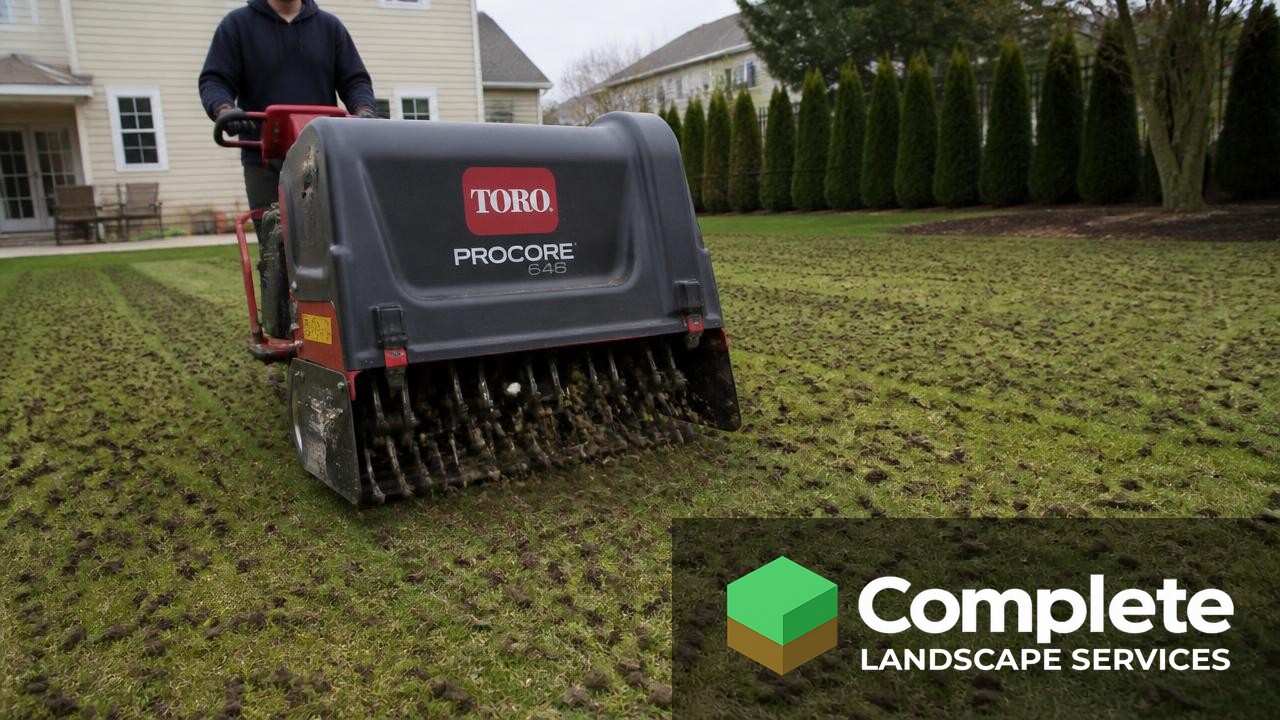
Mow low, remove debris and thatch, loosen the top half inch of soil so seed can make contact, and core aerate if the ground is compacted. Seed needs firm contact with soil, not a fluffy seedbed, and no more than a quarter inch of covering material above it.
Seed-to-soil contact is the whole game. Seed broadcast over thatch or an unprepared lawn germinates at a fraction of the rate because the roots never reach mineral soil before the seedling exhausts its energy reserve.
On an existing lawn, core aeration immediately before overseeding is the most effective preparation available to a homeowner. The plugs create thousands of protected pockets of exposed soil, and the seed that falls into them germinates at a far higher rate than seed on the surface.
For a full renovation, test and amend the soil before you seed, because this is the last time you will have unimpeded access to it. Topdressing with a quarter inch of compost improves moisture retention during establishment more reliably than any starter product.
Should you use seed or sod?
Seed costs roughly a tenth of sod and offers far more grass variety, but takes a full season to establish and must be timed to a narrow window. Sod delivers an instant lawn, can be installed across a much wider calendar, and is the better choice on slopes or where erosion and traffic will not wait.
The decision usually comes down to timing and tolerance for a rough-looking yard. If you are inside the ideal seeding window and can keep off the area for eight weeks, seed is the better financial decision by a wide margin.
Sod is not maintenance-free either. It requires daily watering for the first two weeks and can fail to knit down if it is laid on unprepared or dry soil, which is the most common sod failure we see.
We compared both in depth, including cost per square foot and establishment timelines, in our guide to sod versus seed.
How do you water new grass seed?
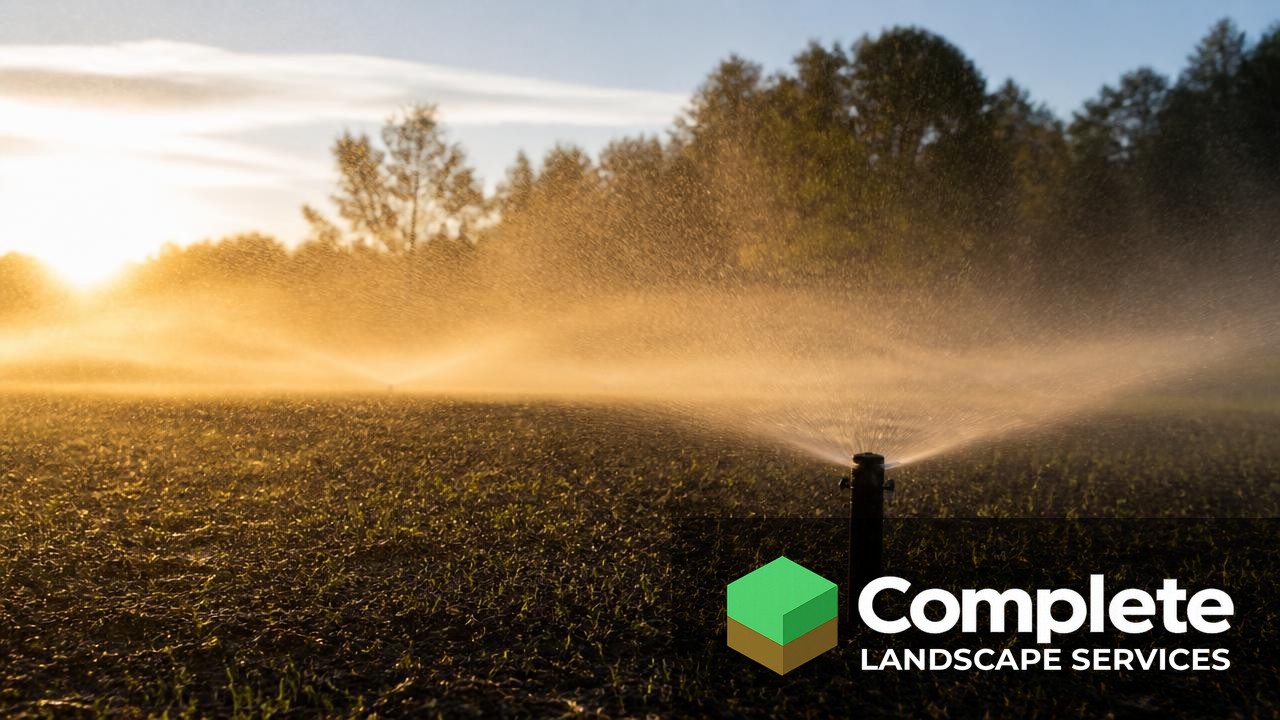
Water lightly two to four times per day for the first two to three weeks, keeping the top inch of soil consistently moist but never saturated. Once seedlings reach about an inch tall, shift to deeper watering once daily, then to deep, infrequent watering after the first mow.
The failure mode is almost always letting the seedbed dry out for a single hot afternoon during germination. A germinating seed that dries after the root has emerged is dead, and no amount of later watering recovers it.
Short cycles are the answer, not long ones. Five to ten minutes per zone several times a day delivers moisture where the seed is without washing seed into low spots or creating runoff.
The transition to deep, infrequent watering is what builds drought resistance in the finished lawn. Our guide on how often you should water your lawn covers the schedule for established turf and how to measure what your system actually delivers.
When can you mow and fertilize a newly seeded lawn?
Mow for the first time when the new grass reaches about 3 to 4 inches, taking off no more than a third of the blade with a sharp mower. Apply a starter fertilizer at seeding, then a second light feeding six to eight weeks later once the lawn has been mowed twice.
Delaying the first mow is a common mistake. Cutting on schedule encourages tillering, which is how grass plants spread sideways and thicken a stand, while letting new grass grow tall produces spindly plants that flop and thin out.
Keep herbicides off a new seeding. Most pre-emergent products prevent grass seed from germinating just as effectively as they prevent weeds, and post-emergent products need the new lawn to be mowed three or four times before they are safe.
Plan the following season's care before winter arrives. Our fall landscaping tips cover the cleanup and winterization work that protects a young lawn through its first cold season.
Frequently Asked Questions
The bottom line
Seeding success is mostly a timing and moisture problem, not a product problem. Measure soil temperature rather than guessing from the weather, get seed into direct contact with soil, keep the top inch damp through germination, and start mowing on schedule once the new grass reaches mowing height. Do those four things inside the right regional window and almost any quality seed will produce a thick, resilient lawn.
Thinking bigger picture? Read our full guide on How to Start a Landscaping Company, or visit our member directory to connect with vetted Complete Landscape Services professionals.
Need professional help?
Browse our member directory to find trusted Complete Landscape Services professionals for seasonal cleanup and more.
Our Member Directory