
Sod vs Seed: Which Is Right for Your Lawn?
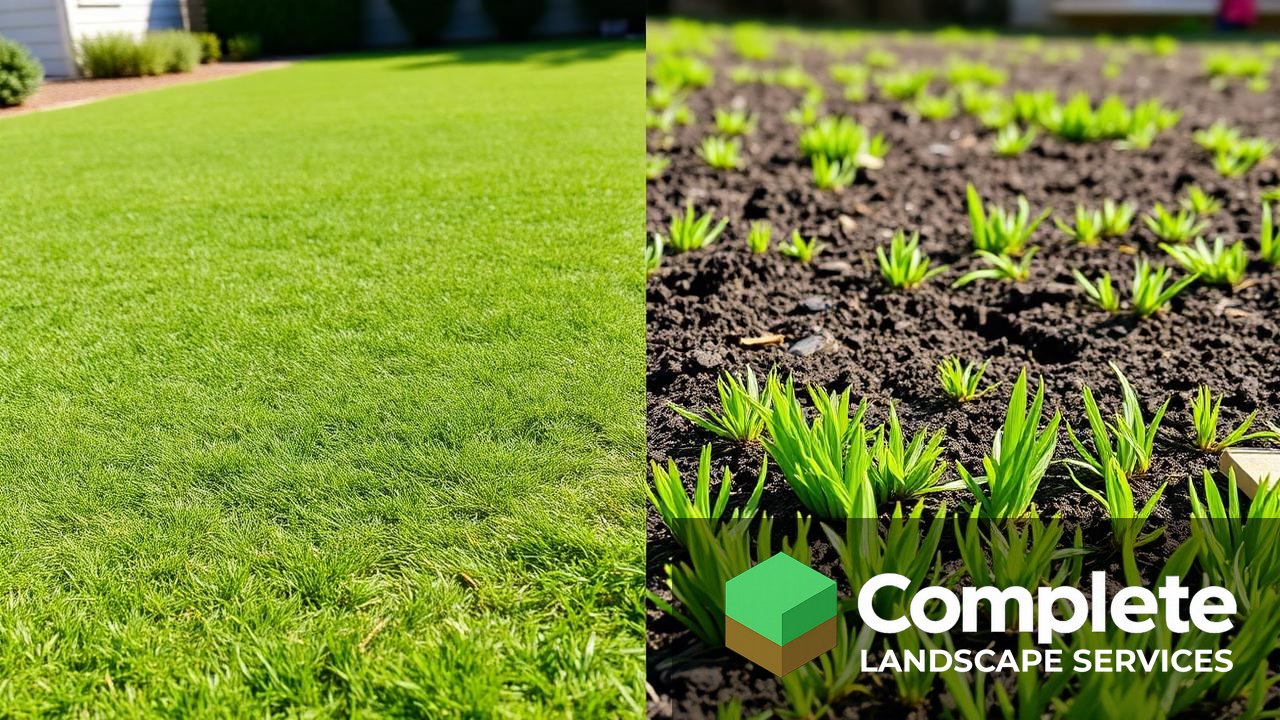
Table of Contents
The sod versus seed decision comes down to three variables: how fast you need a lawn, how much you want to spend, and how much control you want over the grass variety. Sod is mature turf harvested with an inch of soil attached, so it looks finished the day it is laid and is walkable within two to three weeks. Seed costs a fraction as much per square foot and gives you access to the full catalogue of cultivars, including shade-tolerant and drought-tolerant blends that sod farms rarely grow, but it demands consistent watering for six weeks and a full growing season to fill in. Neither is universally better. This guide compares them on cost, timing, durability, root depth, and the specific site conditions that make one clearly correct.
What is the difference between sod and seed?
Sod is pre-grown turf harvested in rolls or slabs with roughly an inch of attached soil and root mass, then laid onto prepared ground. Seed is sown directly onto prepared soil and germinates in place. Sod is an instant but expensive result; seed is slower, cheaper, and offers far more variety choice.
Both approaches need the same underlying preparation. The ground has to be cleared of the old lawn and weeds, graded so water runs away from structures, amended with topsoil or compost if the existing soil is poor, and lightly firmed. Skipping this step is the most common reason a new lawn disappoints, and it disappoints identically whether you used sod or seed.
The real difference begins after installation. Sod arrives with an established root system that only needs to knit into the soil beneath it. Seed has to germinate, establish a crown, and then build roots from nothing, which is why the watering discipline in weeks one through six is so much more demanding.
Is sod or seed cheaper?
Seed is dramatically cheaper. Grass seed runs about $0.10 to $0.25 per square foot including starter fertilizer, while sod costs $0.35 to $0.80 per square foot for material and $0.60 to $1.50 installed. For a 5,000 square foot lawn that is roughly $750 for seed versus $3,000 to $7,500 for professionally installed sod.
The gap narrows slightly once you account for the hidden costs of seeding: straw or seed blanket, a second overseeding pass in the fall to fill thin patches, and higher water use spread across six weeks of daily irrigation. Even so, seed remains three to six times cheaper on any realistic accounting.
Where sod wins financially is on erosion-prone ground. On a slope, seed washes downhill in the first heavy rain and often has to be redone, sometimes twice. Sod holds the moment it is pinned, so the more expensive option can end up being the cheaper one.
| Factor | Sod | Seed |
|---|---|---|
| Installed cost per sq ft | $0.60 to $1.50 | $0.10 to $0.25 |
| Time to walkable lawn | 2 to 3 weeks | 8 to 12 weeks |
| Time to full establishment | One season | One to two seasons |
| Watering intensity | Heavy for 2 to 3 weeks | Light and frequent for 6 weeks |
| Variety selection | Limited to farm stock | Very wide, including shade blends |
| Best install window | Spring or early fall | Early fall (cool-season), late spring (warm-season) |
| Erosion control | Immediate | Poor until established |
When should you install sod or plant seed?
Sod can be laid any time the ground is not frozen, though spring and early fall reduce watering stress. Seed is far more timing-sensitive: cool-season grasses should be sown in early fall, roughly six weeks before the first frost, and warm-season grasses in late spring once soil temperatures hold above 65 degrees Fahrenheit.
Seeding a cool-season lawn in spring puts young grass into summer heat before its roots are deep enough to survive it, and it collides with crabgrass germination and any pre-emergent program. Fall seeding avoids both problems and produces a noticeably thicker stand.
Sod laid in midsummer will survive, but it needs water two or three times a day for the first week, and gaps open at the seams if any part of the field dries out. If your schedule allows, wait for cooler weather.
Timing also interacts with soil compaction. If your ground is hard enough that water pools on it, address that before you install anything. Our season-by-season guide on when to aerate your lawn explains how to test for compaction and when relieving it will actually help.
How do you install sod correctly?
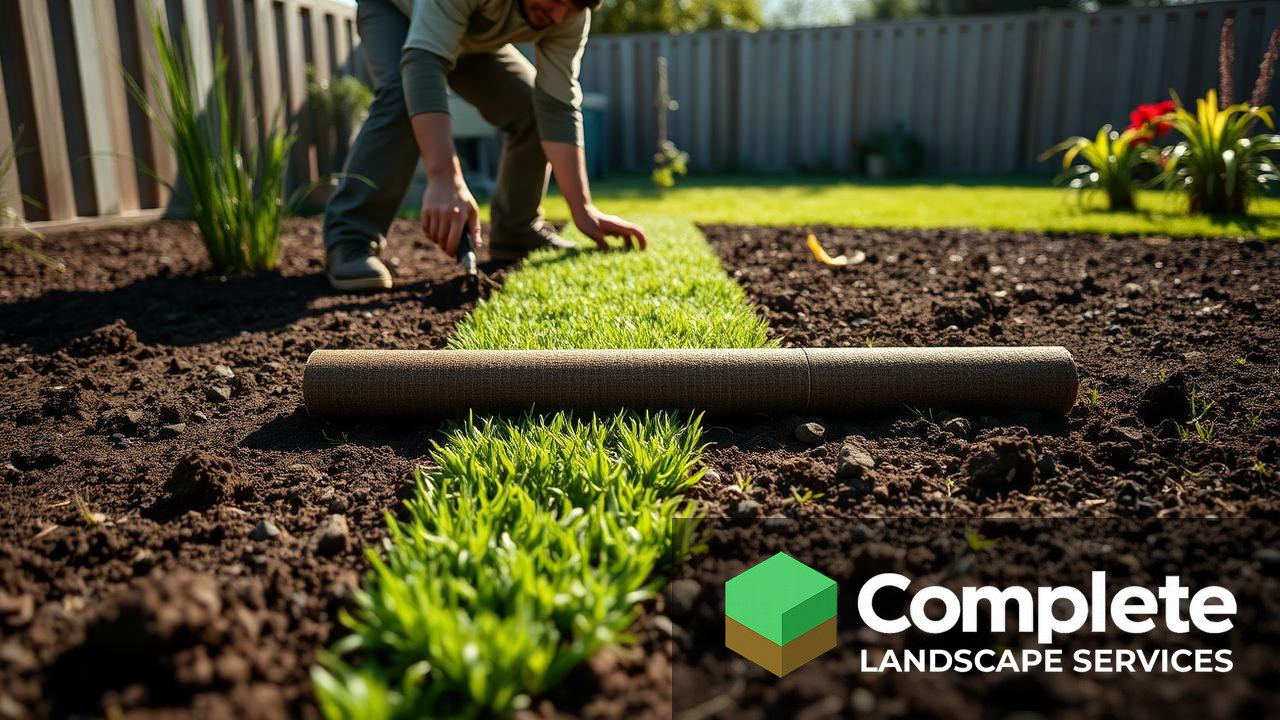
Lay the first row against a straight edge such as a driveway or walkway, butt the seams tightly without overlapping, and stagger the ends of each row like brickwork. Roll the finished area to press roots into the soil, then water deeply so moisture reaches an inch into the ground beneath the sod.
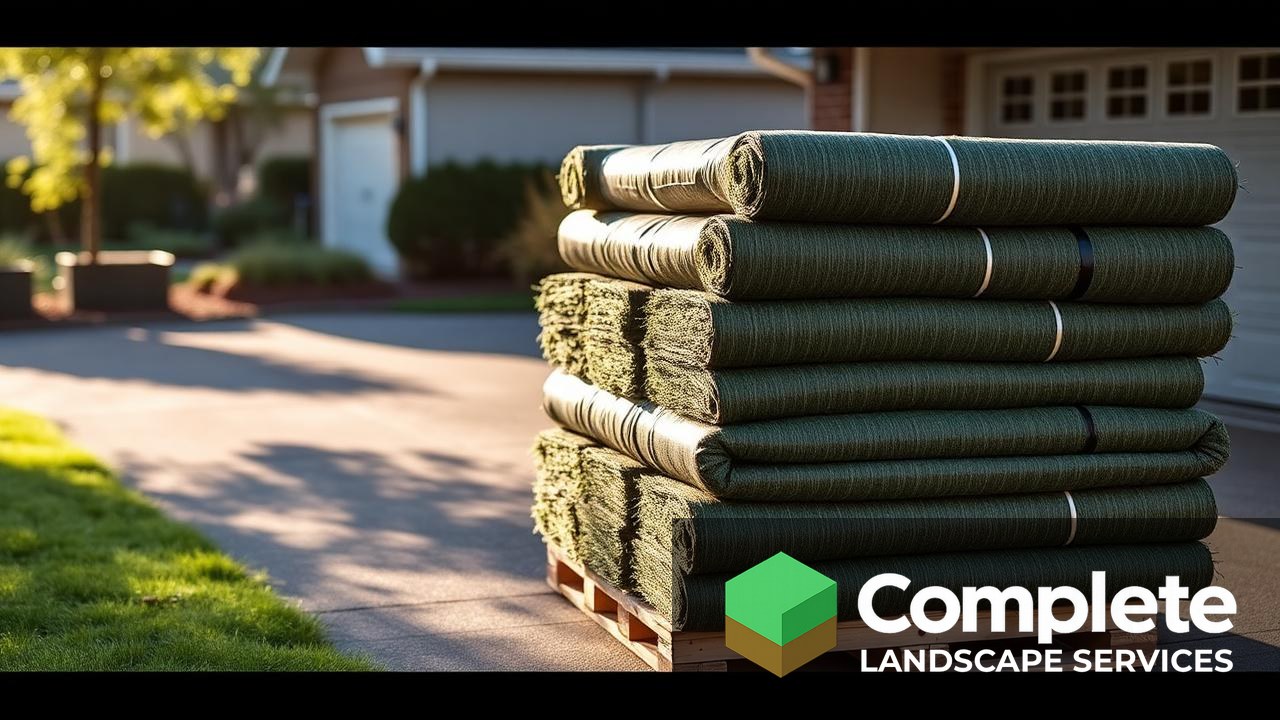
Install sod the day it is delivered. Stacked on a pallet in summer heat it begins composting internally within 24 hours, and heat-damaged sod arrives green and dies brown two weeks later.
Cut pieces to fit curves and around obstacles with a sharp utility knife rather than tearing them, and pin sod on any slope steeper than about 3:1 with biodegradable stakes until it roots.
For the first two weeks, water enough that you can lift a corner and find damp soil underneath, usually once or twice daily. Then taper to deeper, less frequent watering so roots chase moisture downward instead of sitting at the surface.
How do you seed a lawn so it actually fills in?
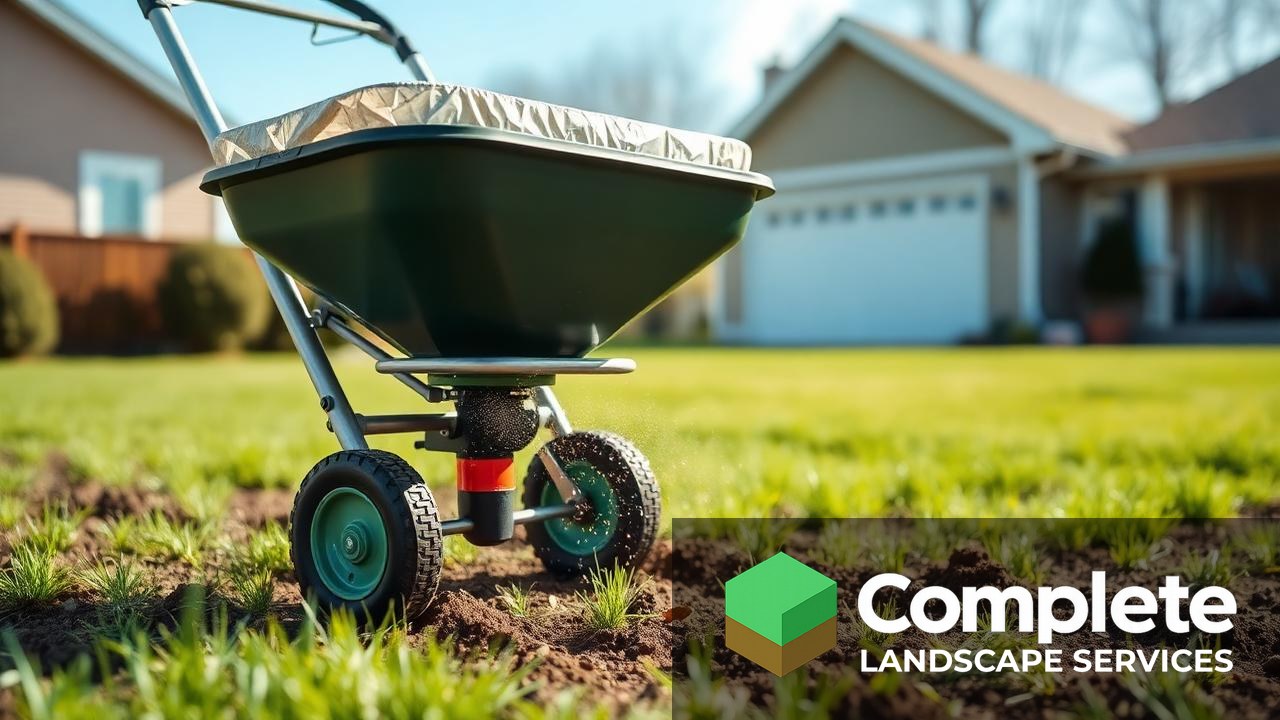
Rake the prepared soil to a fine, loose surface, spread seed at the label rate with a broadcast spreader in two perpendicular passes, rake lightly so seed sits about a quarter inch deep, apply starter fertilizer, then cover with a thin layer of straw or a seed blanket and keep the surface consistently moist for six weeks.
Seed-to-soil contact is everything. Seed lying on top of firm ground dries out between waterings and feeds birds. A light raking after spreading, followed by a pass with a lawn roller at about a third full of water, dramatically improves germination rates.
Water lightly two or three times a day rather than deeply once. Young seedlings have no root depth, so the top quarter inch of soil must never fully dry until the grass is a couple of inches tall.
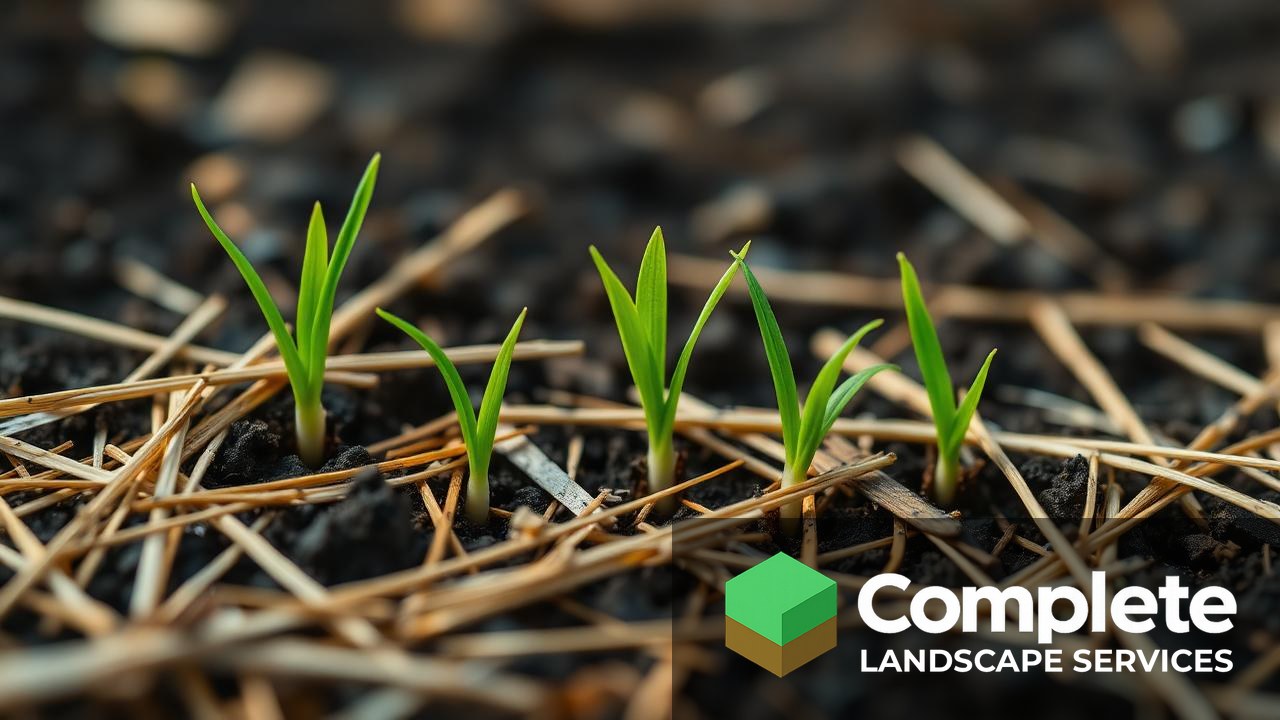
Expect the stand to look patchy at week four. Different species in a blend germinate at different rates: ryegrass in five to ten days, fescue in seven to fourteen, Kentucky bluegrass in fourteen to thirty. Resist the urge to overseed before day thirty.
Which lasts longer, a sod lawn or a seeded lawn?
Over the long run they perform the same. A seeded lawn often develops a slightly deeper root system because roots grow into native soil from the start, while sod carries a soil interface layer that can restrict rooting if the ground beneath it was not prepared. After two or three seasons, maintenance matters far more than origin.
The one durable advantage seed holds is variety matching. If your yard is half shade, you can sow a fine fescue blend under the trees and a bluegrass or ryegrass mix in the sun. Sod farms typically grow one or two full-sun blends, and installing a sun-loving turf under a maple canopy guarantees thinning within two years.
Whichever route you take, watering technique will decide the outcome from year two onward. Our regional guide on how often you should water your lawn covers the deep-and-infrequent schedule that drives roots down instead of keeping them at the surface.
Frequently Asked Questions
The bottom line
Choose sod when time, slope, or erosion make waiting expensive, and choose seed when budget, area, or variety matching matter more than immediacy. Both succeed or fail on the same two things: honest soil preparation before installation, and disciplined watering in the first six weeks. Get those right and the choice between them becomes a question of schedule rather than quality.
Thinking bigger picture? Read our full guide on How to Start a Landscaping Company, or visit our member directory to connect with vetted Complete Landscape Services professionals.
Need professional help?
Browse our member directory to find trusted Complete Landscape Services professionals for lawn care & maintenance and more.
Our Member Directory