
When to Prune Trees and Shrubs: A Month-by-Month Guide
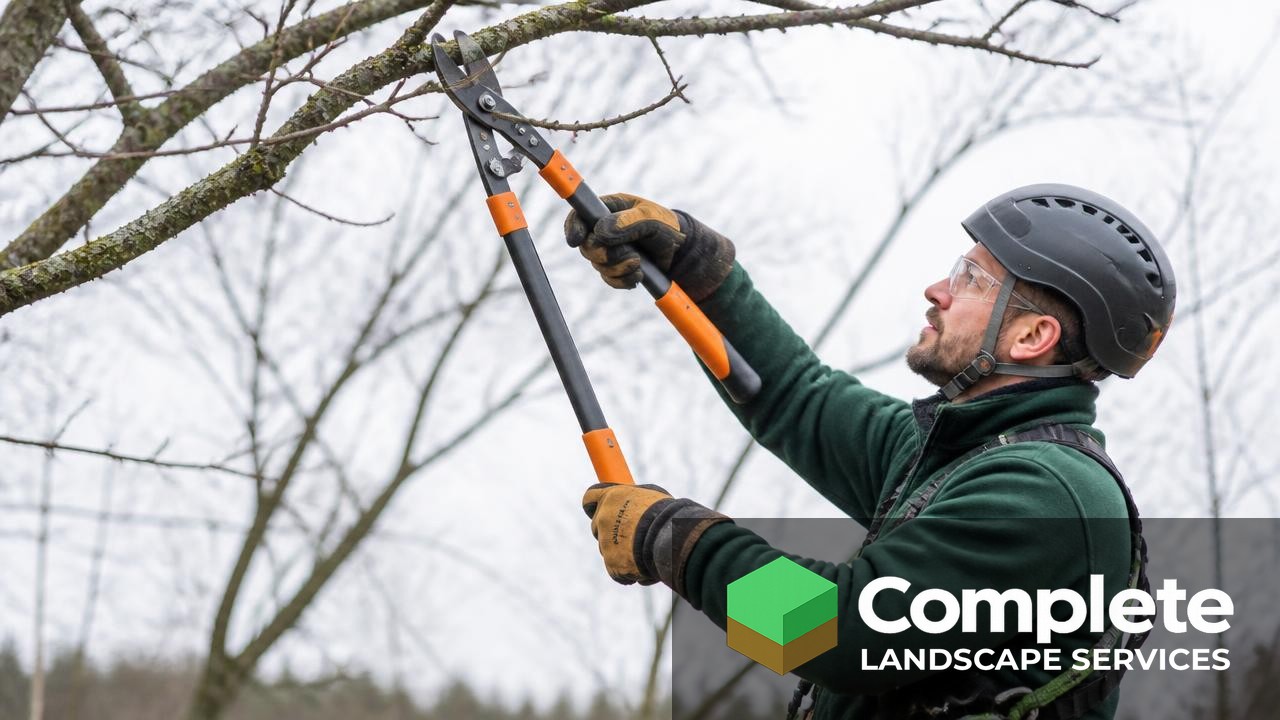
Table of Contents
Pruning is the one landscape task where good intentions cause the most damage. A tree does not heal a wound the way an animal does; it walls the damage off and grows around it, which means every cut is permanent and the tree pays for it in stored energy. Timing determines how much it pays. Cut during dormancy and the wound closes quickly in spring with minimal pathogen exposure. Cut at the wrong moment and you invite disease, remove a season of flowers, or trigger a flush of weak growth just before winter. This guide sets out when to prune the trees and shrubs found in most North American yards, how to make a cut that closes cleanly, and where the line sits between homeowner pruning and work that belongs to a certified arborist.
When is the best time to prune a tree?
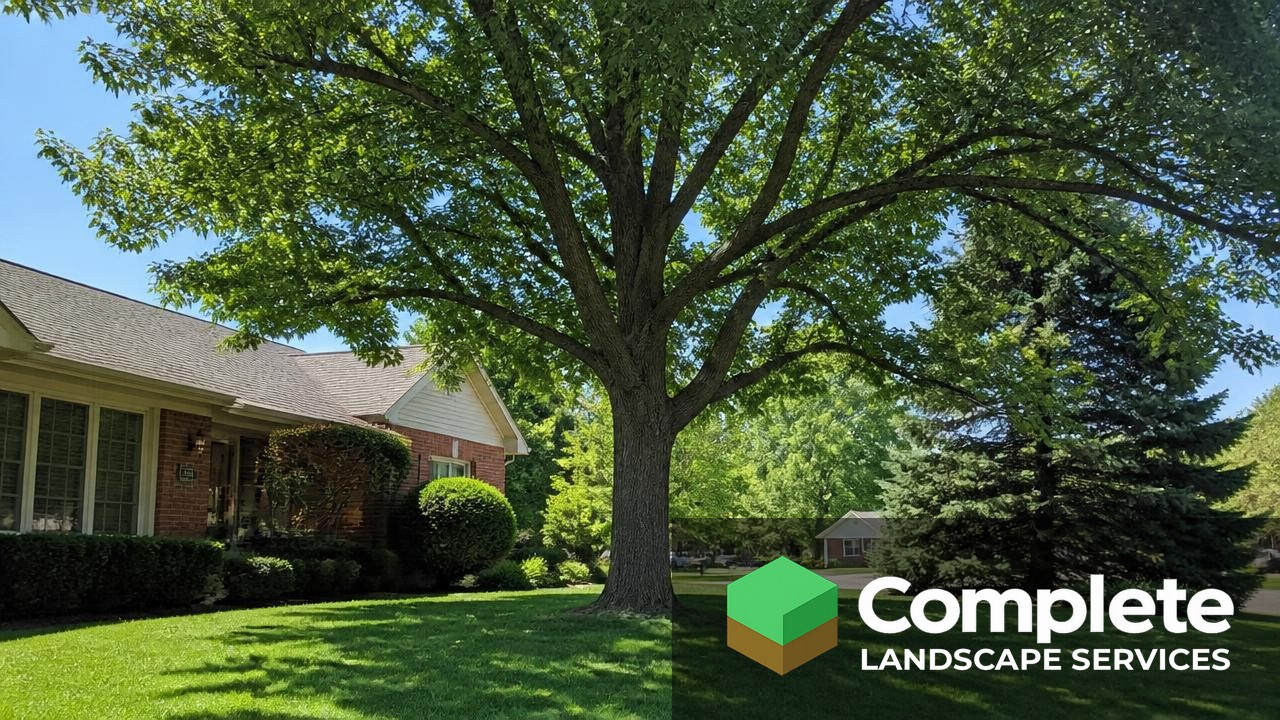
Late winter, from roughly February through early April depending on your region, is the best time to prune most deciduous trees. The tree is dormant, the branch structure is visible without leaves, insects and fungal pathogens are inactive, and the wound begins closing as soon as growth resumes in spring.
There are important exceptions. Maples, birches, and walnuts bleed sap heavily when pruned in late winter. The bleeding is not harmful to the tree, but if the appearance bothers you, prune those species in mid summer after the leaves have fully expanded.
Oaks are a genuine timing rule rather than a preference. In regions affected by oak wilt, oaks should never be pruned between April and July, when the beetles that spread the disease are active and drawn to fresh wounds.
Evergreens need very little pruning. Remove dead wood any time, shape spruces and firs in late winter, and prune pines by pinching the soft new candles in spring rather than cutting into old wood, which does not regenerate.
When should you prune flowering shrubs?
Prune spring-flowering shrubs such as lilac, forsythia, and azalea within a few weeks after they finish blooming, because they set next year's buds on old wood during summer. Prune summer-flowering shrubs such as panicle hydrangea, spirea, and rose of Sharon in late winter, since they bloom on new growth.
The simple rule is to ask when the shrub flowers. Blooms before roughly mid June means the buds were formed last year, so prune right after flowering. Blooms after mid June means the buds form on this year's growth, so prune while dormant.
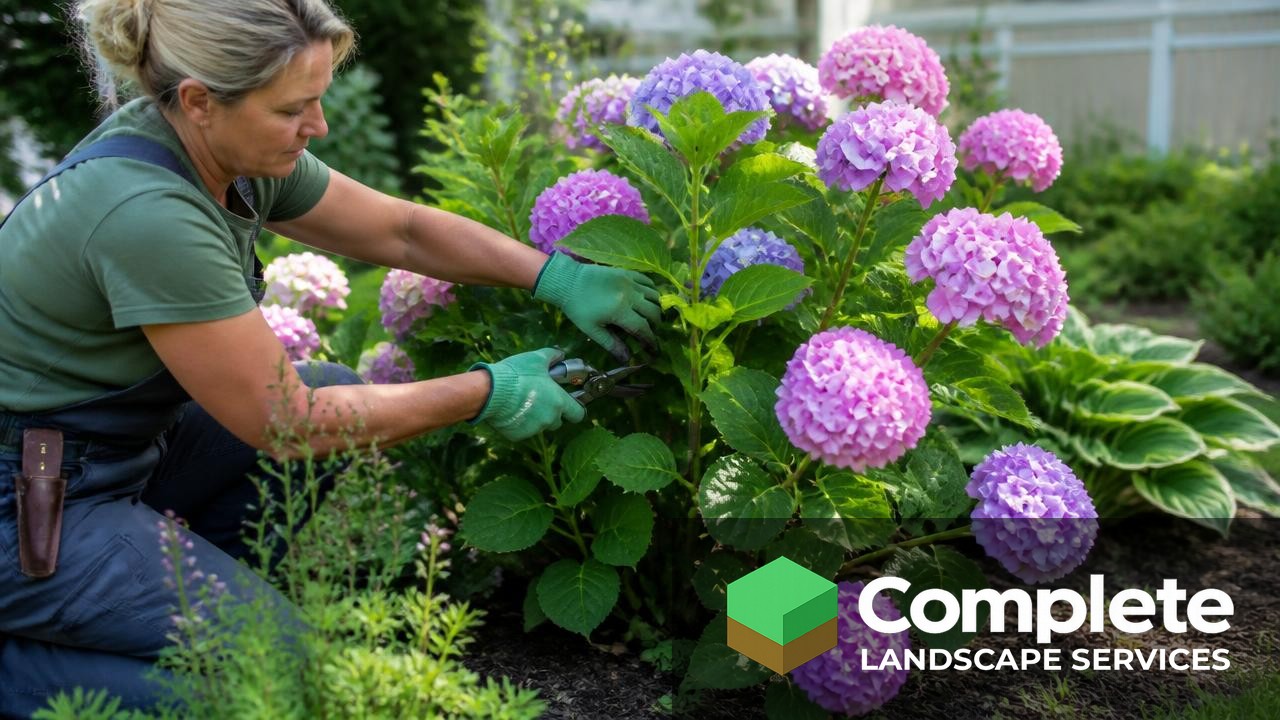
Hydrangeas cause more confusion than any other shrub because the genus splits across both rules. Bigleaf and oakleaf hydrangeas bloom on old wood and should only be deadheaded, while panicle and smooth hydrangeas bloom on new wood and can be cut back hard in late winter.
Overgrown deciduous shrubs can be renewal pruned by removing one third of the oldest stems at ground level each year for three years. This rebuilds the plant without the bare, stubbed appearance that hard shearing produces.
| Plant type | Best time to prune | Reason |
|---|---|---|
| Most deciduous shade trees | Late winter, dormant | Visible structure, fast wound closure |
| Oak | November to March only | Oak wilt risk April through July |
| Maple, birch, walnut | Mid summer | Avoids heavy sap bleeding |
| Spring-flowering shrubs | Right after flowering | Buds set on old wood in summer |
| Summer-flowering shrubs | Late winter | Blooms on current season growth |
| Evergreen hedges | Late spring and midsummer | Two light shearings hold shape |
| Fruit trees | Late winter | Encourages fruiting spurs and open centre |
| Dead or hazardous wood | Any time | Safety takes priority over timing |
How do you make a proper pruning cut?
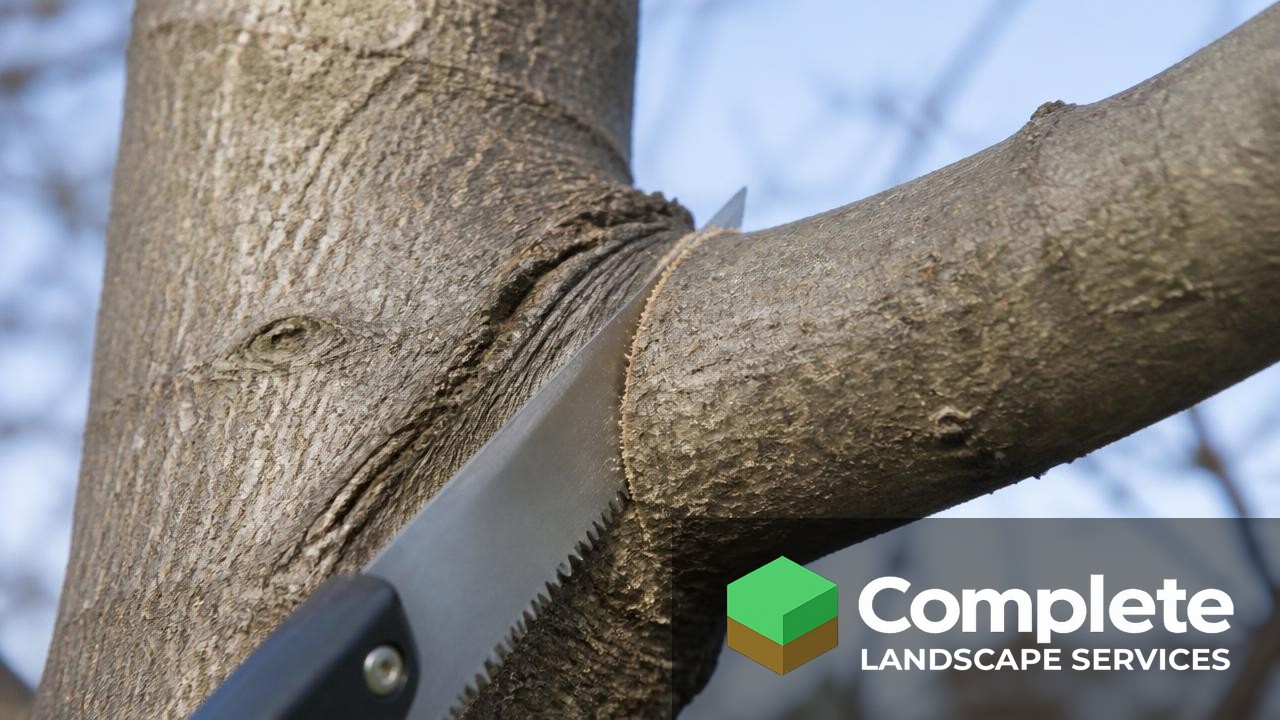
Cut just outside the branch collar, the slightly swollen ring of tissue where the branch meets the trunk, without leaving a stub and without cutting flush into the trunk. The collar contains the cells that seal the wound, so preserving it is the single most important technical detail in pruning.
For any branch thicker than about an inch, use the three-cut method: an undercut a foot out from the collar, a top cut slightly beyond it to drop the limb, then a final clean cut at the collar. This prevents the falling branch from tearing bark down the trunk.
Never apply wound paint or sealant. Decades of research show it traps moisture and slows the tree's natural compartmentalization rather than helping it.
Keep tools sharp and clean. A clean cut closes far faster than a crushed one, and disinfecting blades between plants matters when working through material that may be diseased.
How much can you safely remove at once?
Remove no more than 25 percent of a mature tree's live canopy in a single year, and less on stressed or older trees. Leaves are how a tree earns its energy, so excessive removal forces it to spend stored reserves rebuilding foliage instead of defending against pests and disease.
Topping, cutting main stems back to stubs, is the most damaging thing done to residential trees. It removes the tree's energy supply, triggers weakly attached water sprouts, and creates large wounds that decay, producing a more hazardous tree within a decade than the one it replaced.
If a tree is genuinely too large for its space, the honest answer is usually removal and replacement with an appropriately sized species rather than repeated heavy reduction. Our guide to the best trees for landscaping covers species selection with mature size in mind.
Young trees are the best pruning investment. Ten minutes of structural pruning in the first five years, removing competing leaders and crossing branches, prevents the expensive structural problems that arrive thirty years later.
When should you hire a certified arborist?
Hire a certified arborist for any work requiring a ladder or climbing, any branch over about 4 inches in diameter, anything near power lines, and any tree showing signs of decay, cavities, or lean. Chainsaw work above shoulder height is the leading source of serious homeowner injury in landscaping.
Ask for proof of liability insurance and workers compensation coverage before anyone climbs a tree on your property, because an uninsured injury on your land can become your financial problem.
Arborists also diagnose. A canopy thinning from the top down, fungal conks at the base, or sudden limb drop in summer are symptoms with specific causes, and identifying them early sometimes saves a tree worth thousands of dollars.
For scope and pricing expectations on professional tree work, our overview of what landscaping companies do explains which firms handle tree care in-house and which subcontract it.
Frequently Asked Questions
The bottom line
Pruning timing comes down to two questions: is the plant dormant, and when does it set its flower buds. Answer those and you will avoid nearly every common mistake. Make clean cuts just outside the branch collar, keep annual removal under a quarter of the live canopy, never top a tree, and bring in a certified arborist once the work leaves the ground. Trees pruned on that basis stay healthier, safer, and considerably less expensive to maintain over their lifetime.
Thinking bigger picture? Read our full guide on How to Start a Landscaping Company, or visit our member directory to connect with vetted Complete Landscape Services professionals.
Need professional help?
Browse our member directory to find trusted Complete Landscape Services professionals for tree & shrub care and more.
Our Member Directory